Karagwe
Full-time staff
firefighters in Tanzania
Distance
between the stations
for a training center
in the administrative district
Firefighters
will be required in the future
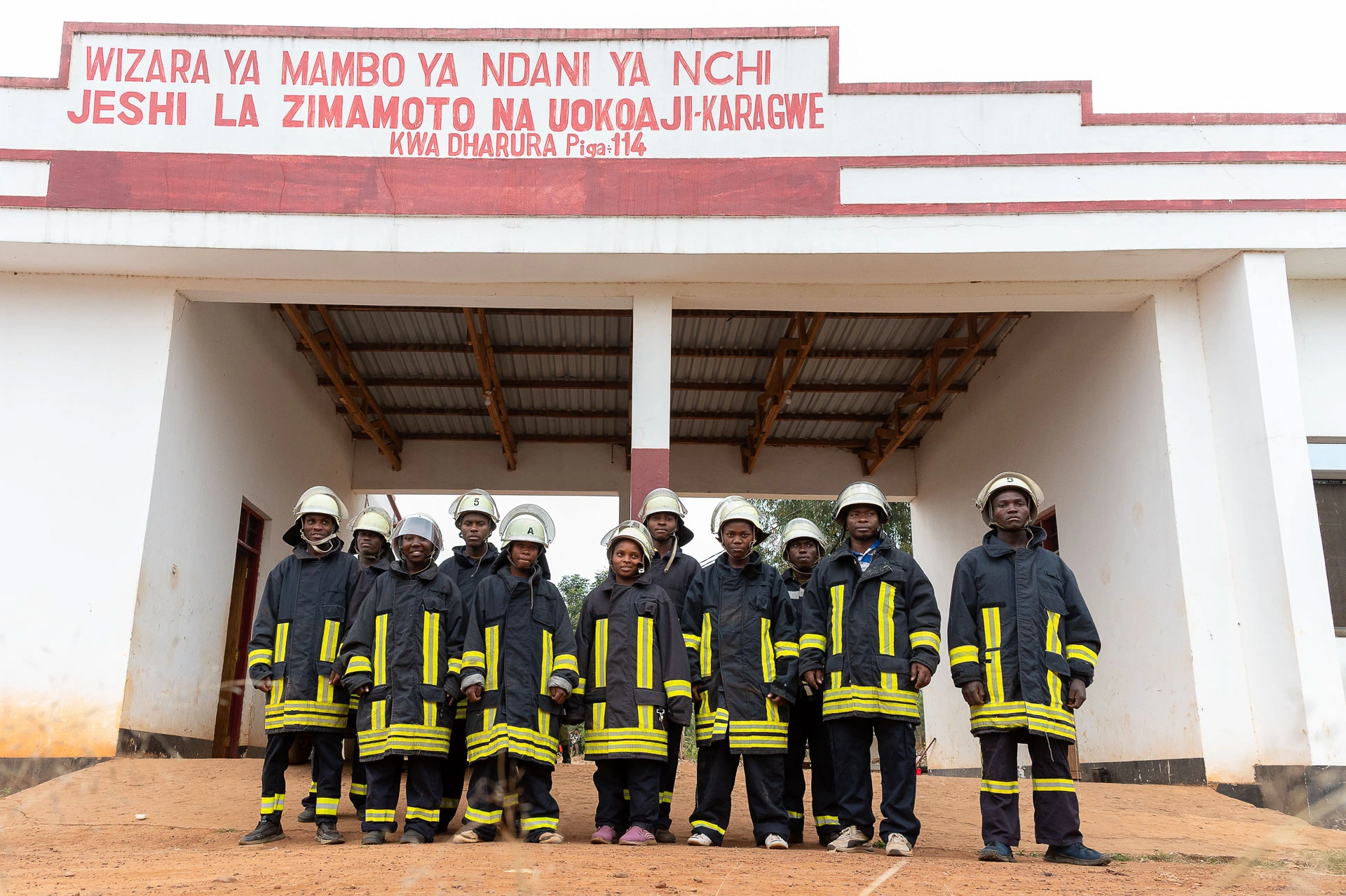
This is Karagwe
The Kagera administrative region covers approximately 30,000 square kilometers of land in northwestern Tanzania, between Lake Victoria and the borders of Uganda, Rwanda, and Burundi. About three million people live in the region, with approximately 150,000 residing in the regional capital, Bukoba. Two million tons of bananas and more than 20,000 tons of coffee are grown annually in the Kagera region. Agriculture is a major source of income. Fifteen percent of households in Bukoba, located directly on Lake Victoria, depend directly or indirectly on fishing. Between 12,000 and 15,000 tons of fish are caught in the region each year. Kayanga lies at an elevation of 1,600 meters, while Bukoba is at around 1,100 meters. The highlands of the Kagera region are relatively sparsely populated outside the urban centers.
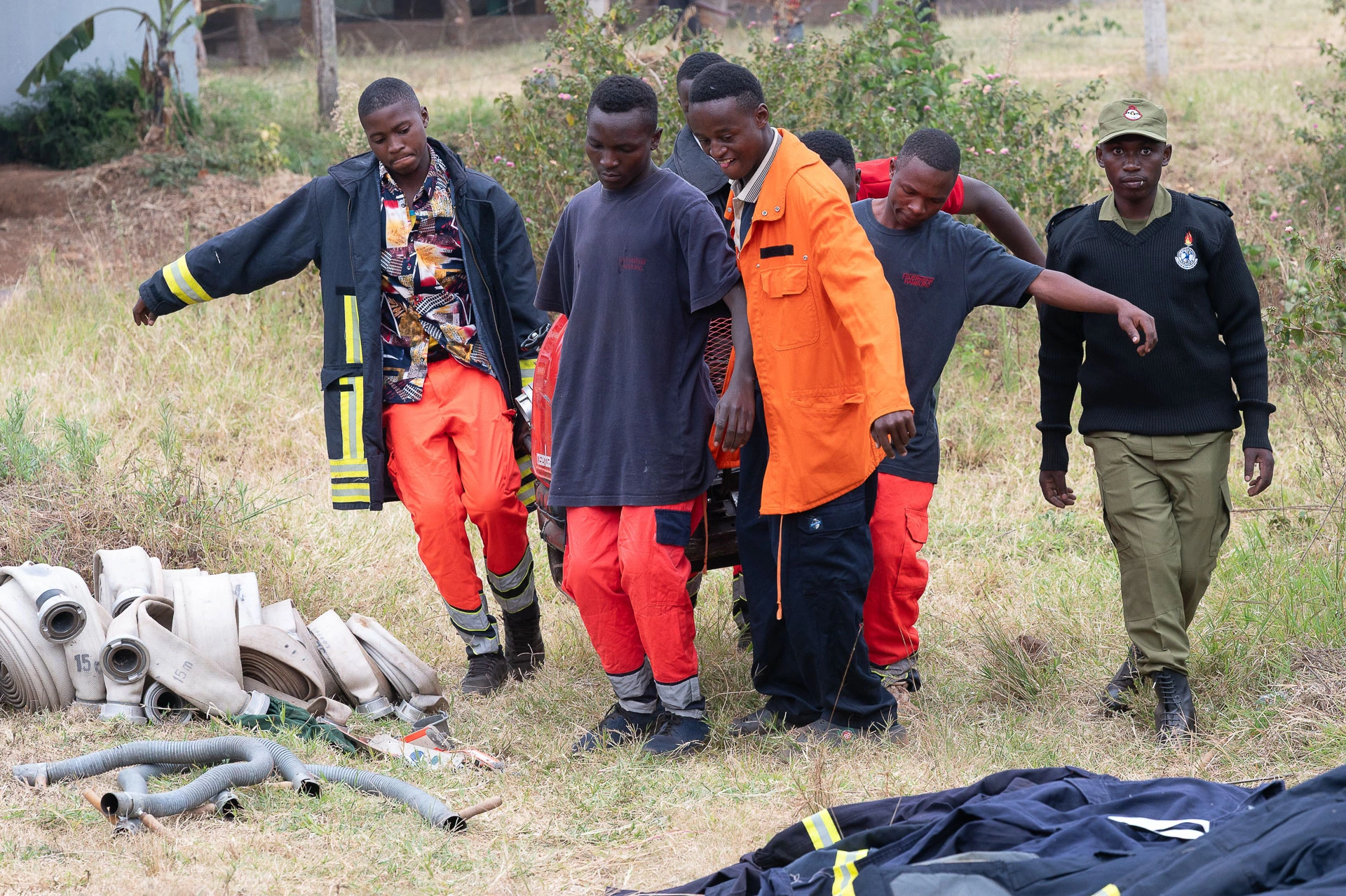
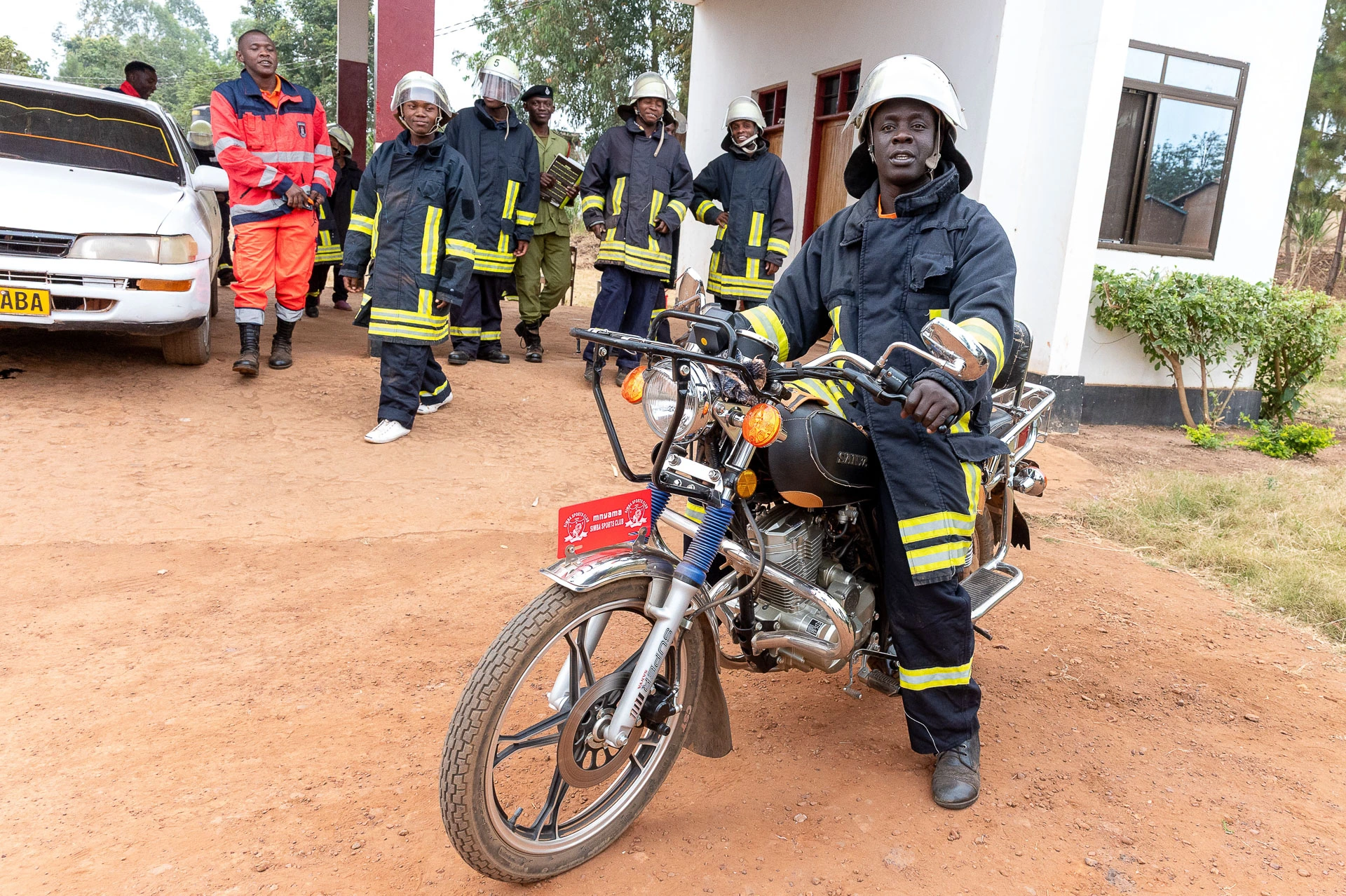
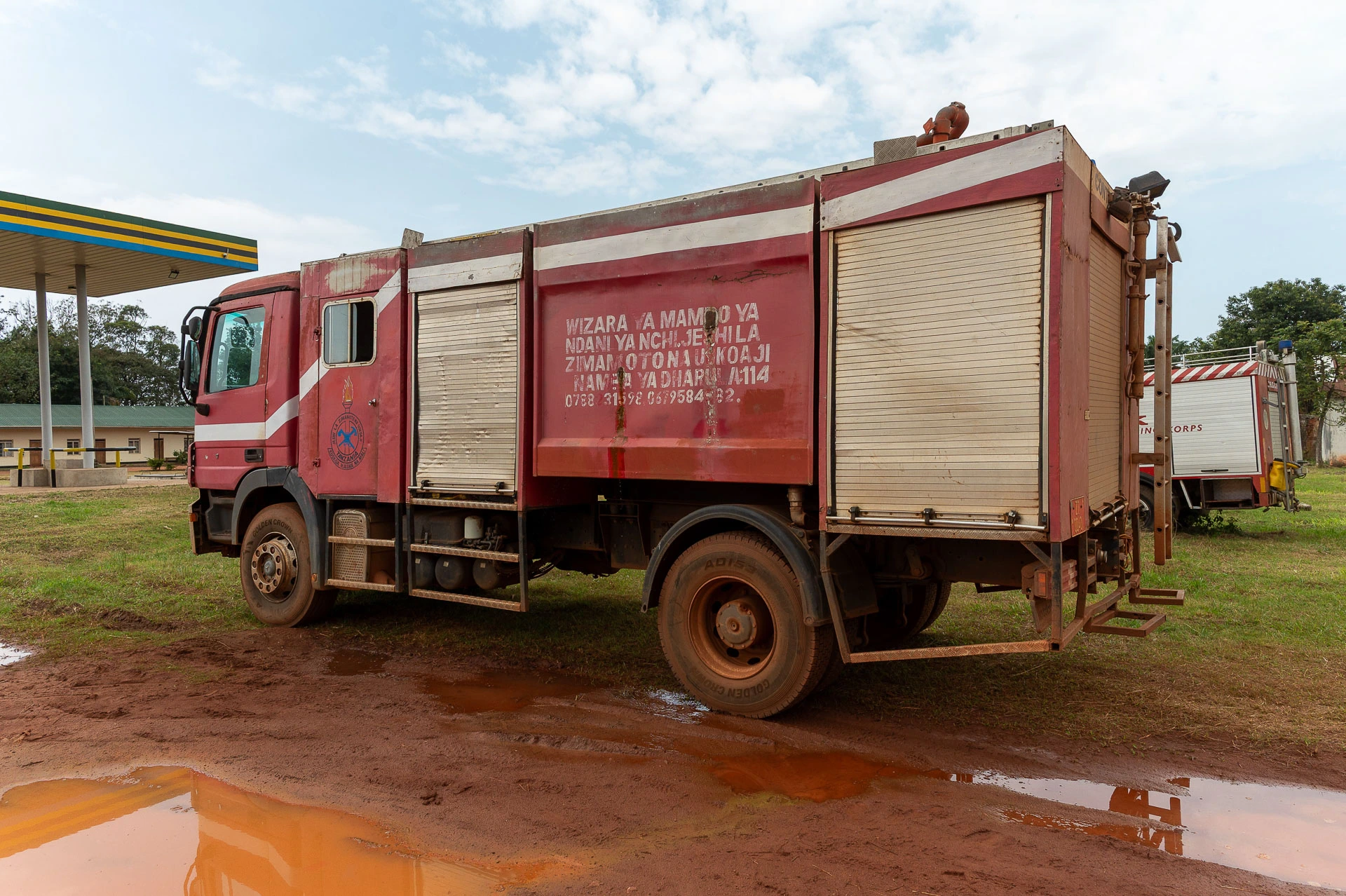
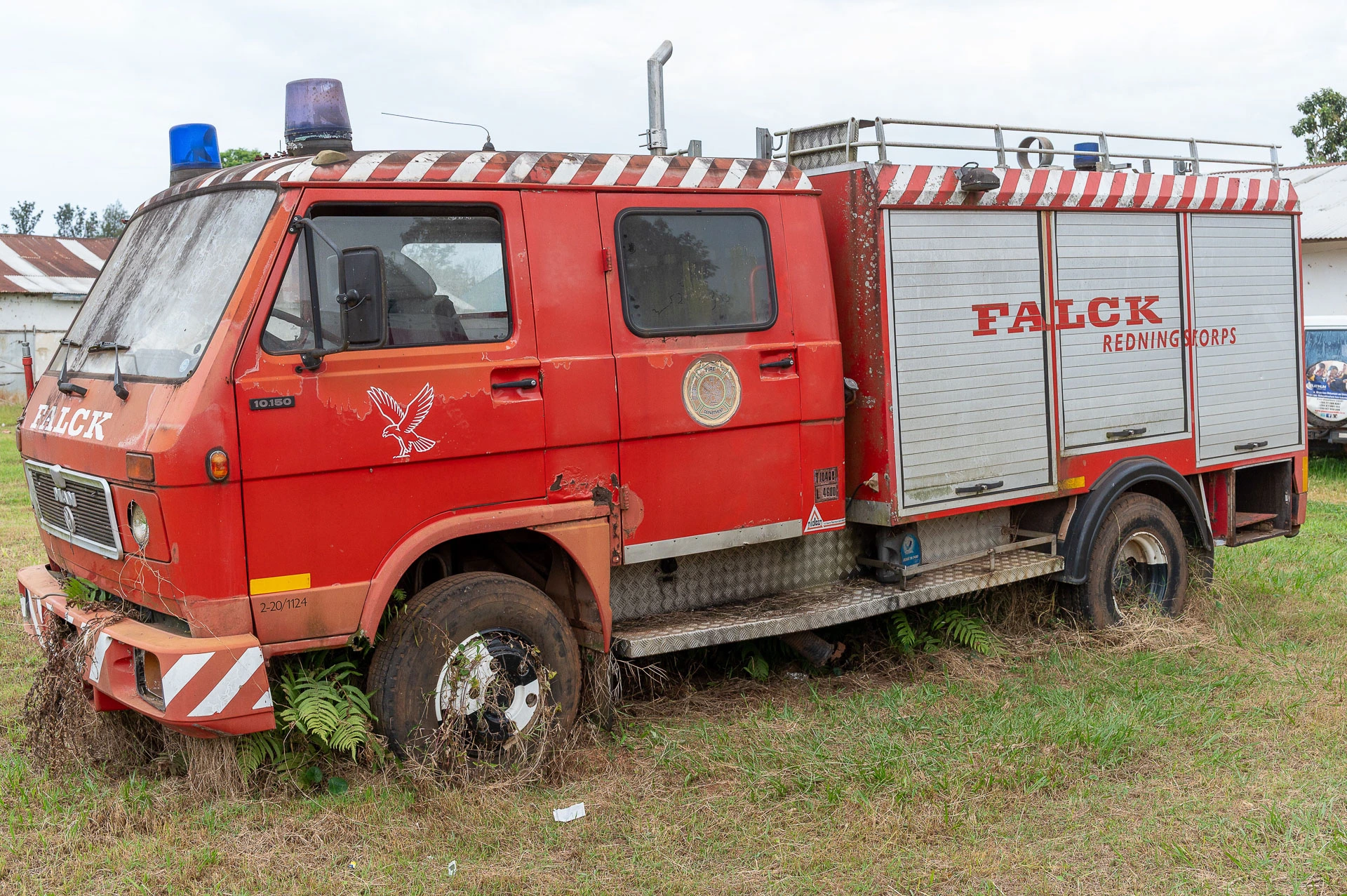
The current fire service structure in Tanzania consists solely of full-time fire stations. However, many fire stations in the Kagera region lack the necessary equipment (pumps, heavy rescue equipment, and, in particular, operational vehicles) and, quite simply, the personnel lack the necessary qualifications. In addition, there are structural shortcomings in the organization of daily station operations and emergency response activities.
CURRENT SITUATION
HOW WE HELP
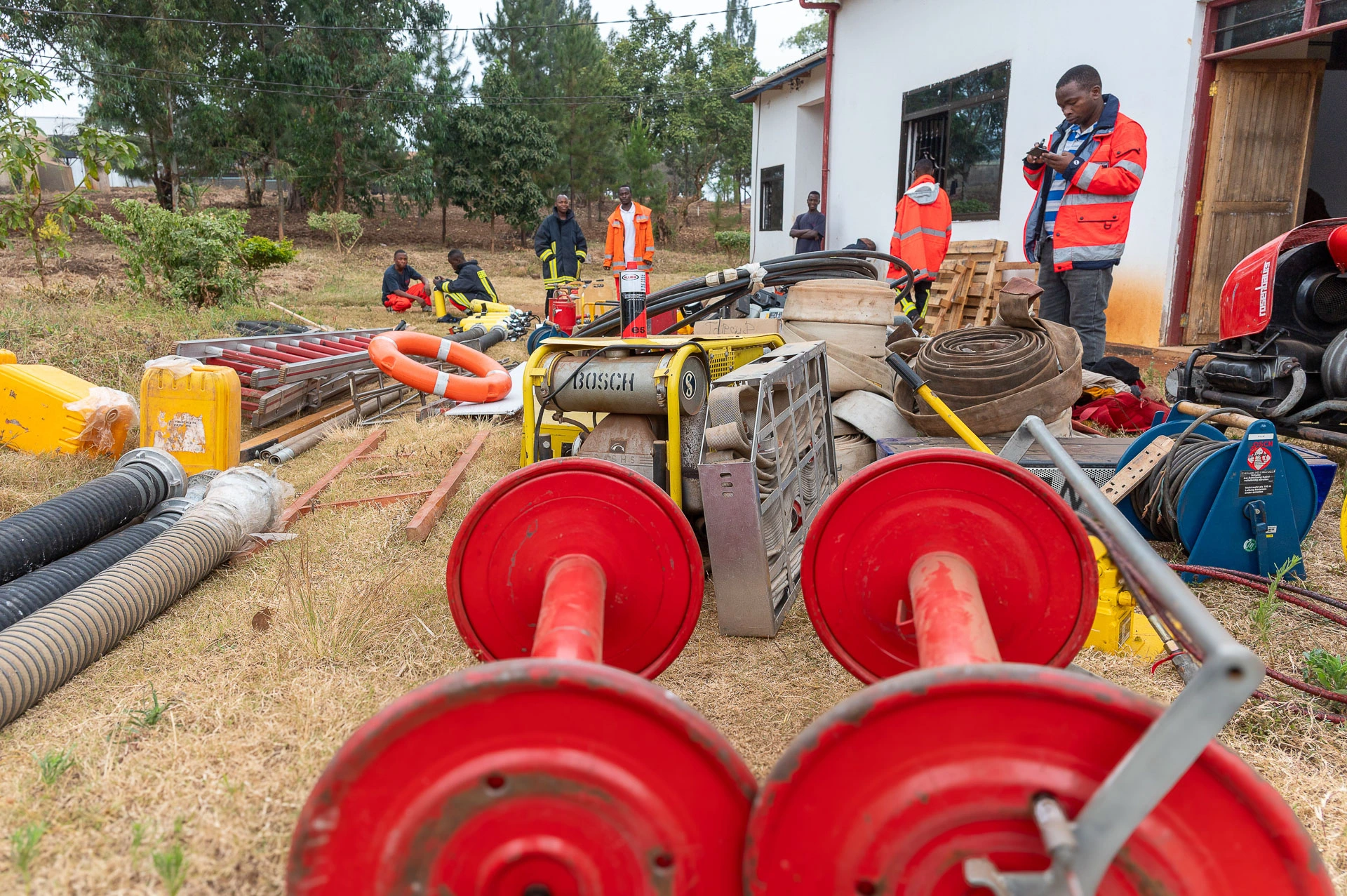
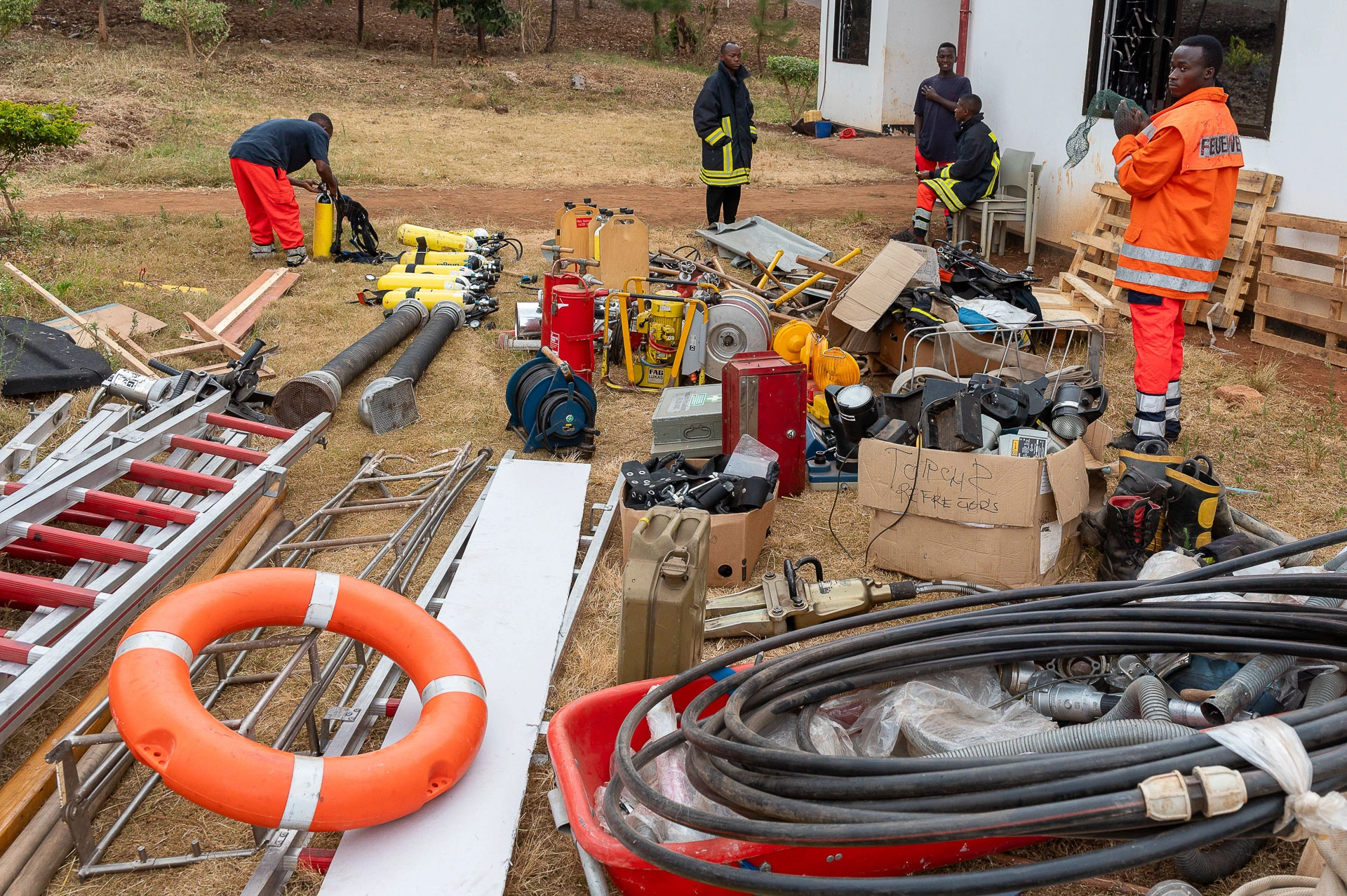
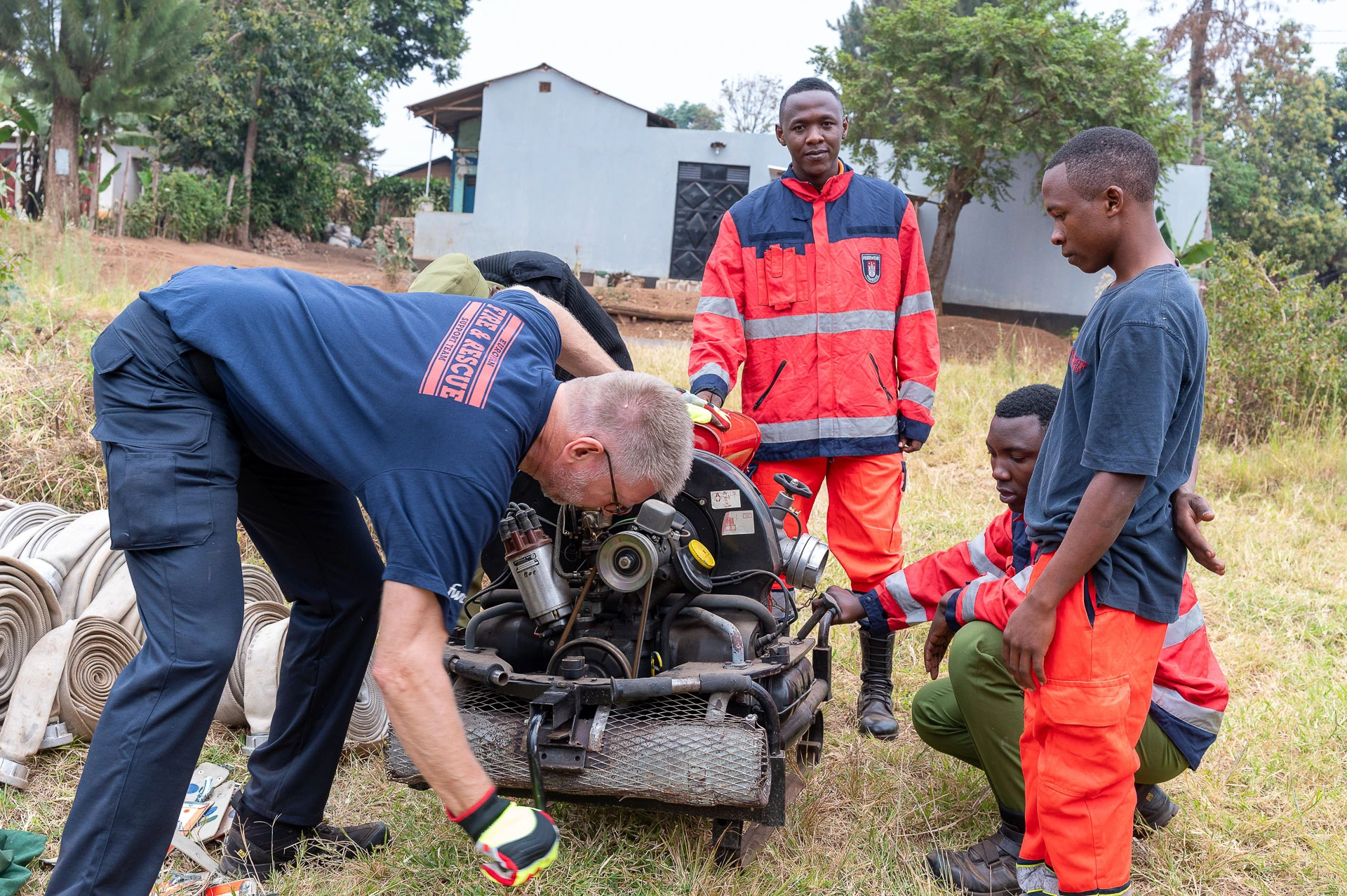
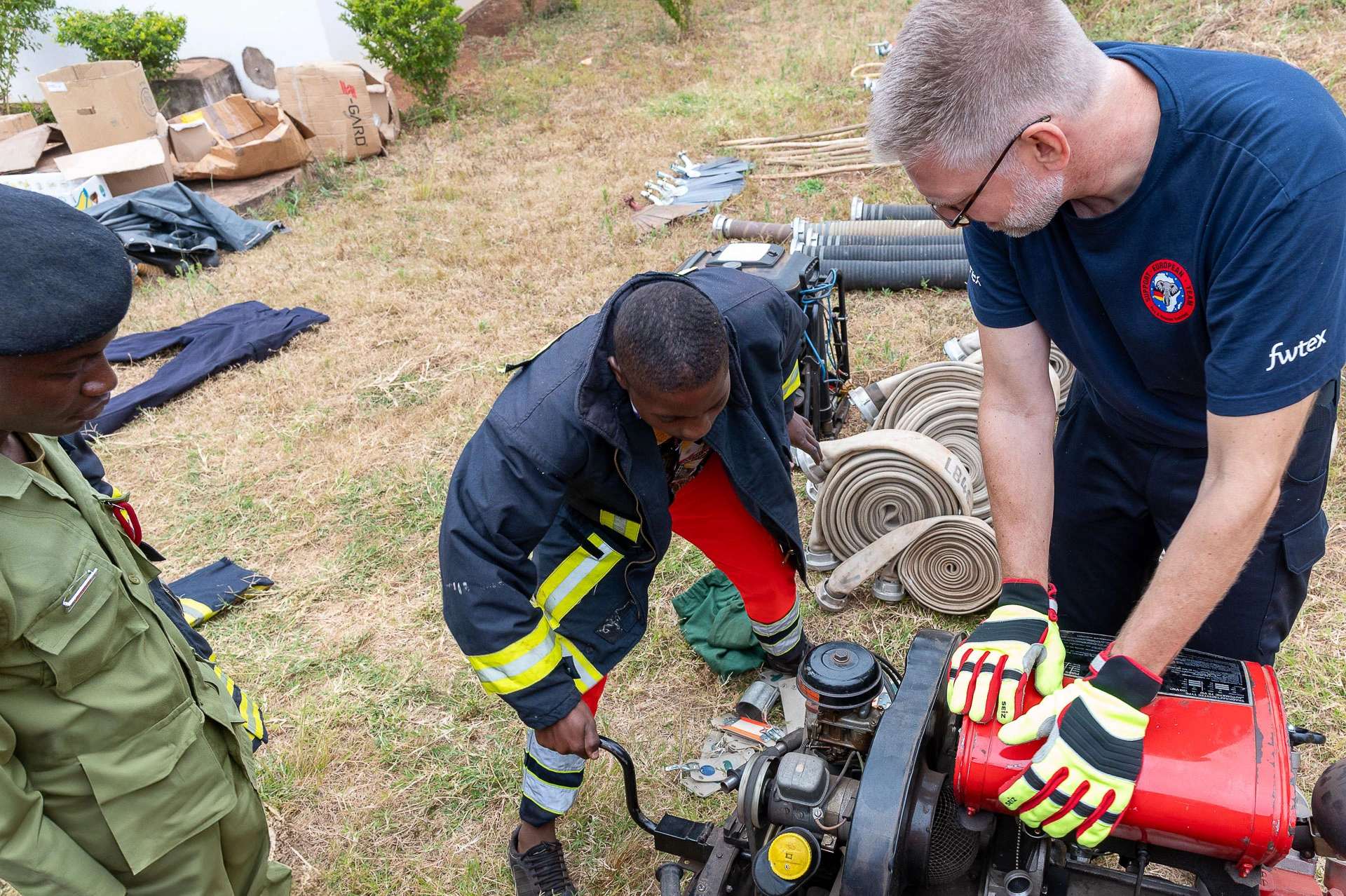
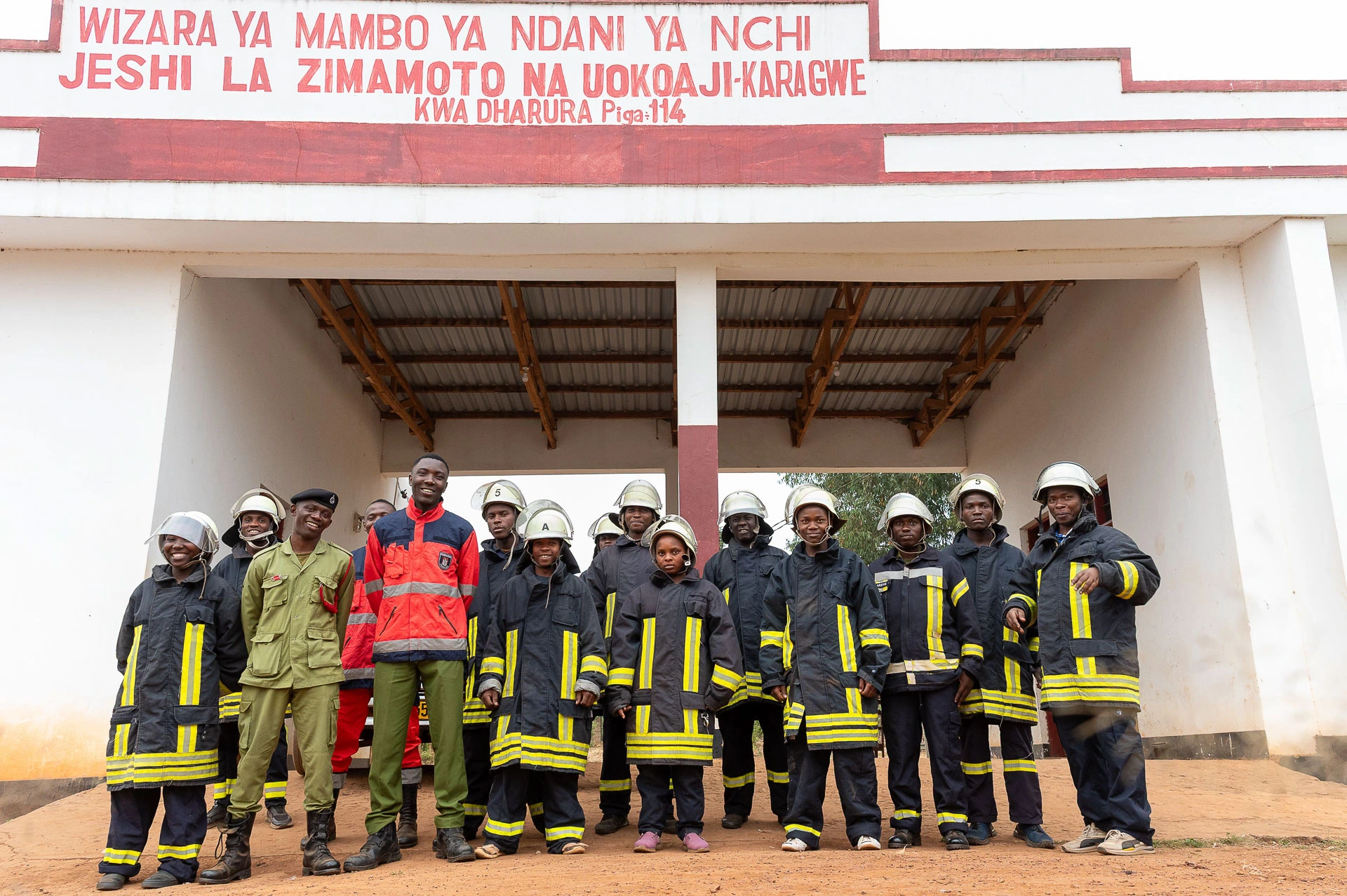
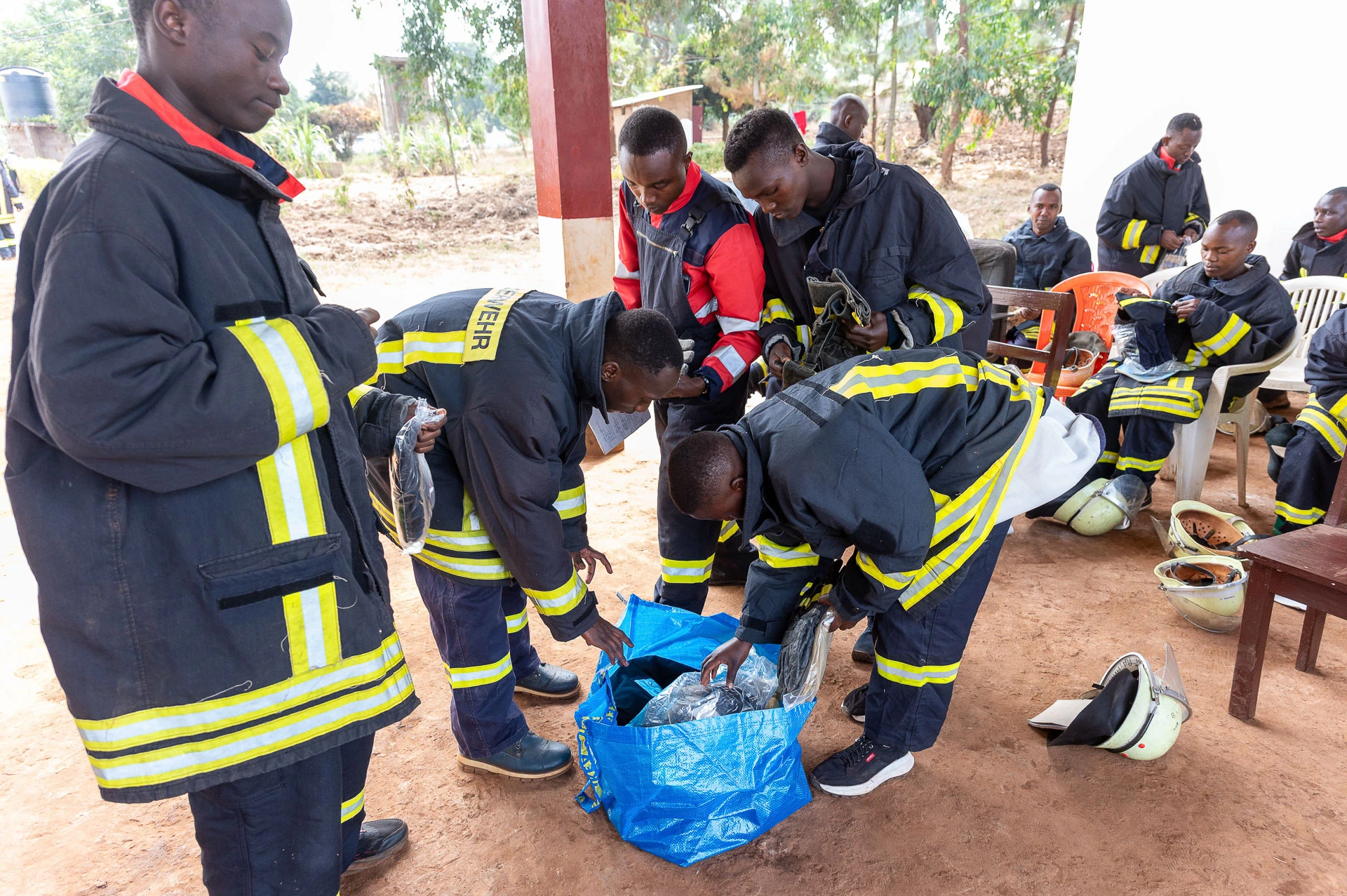
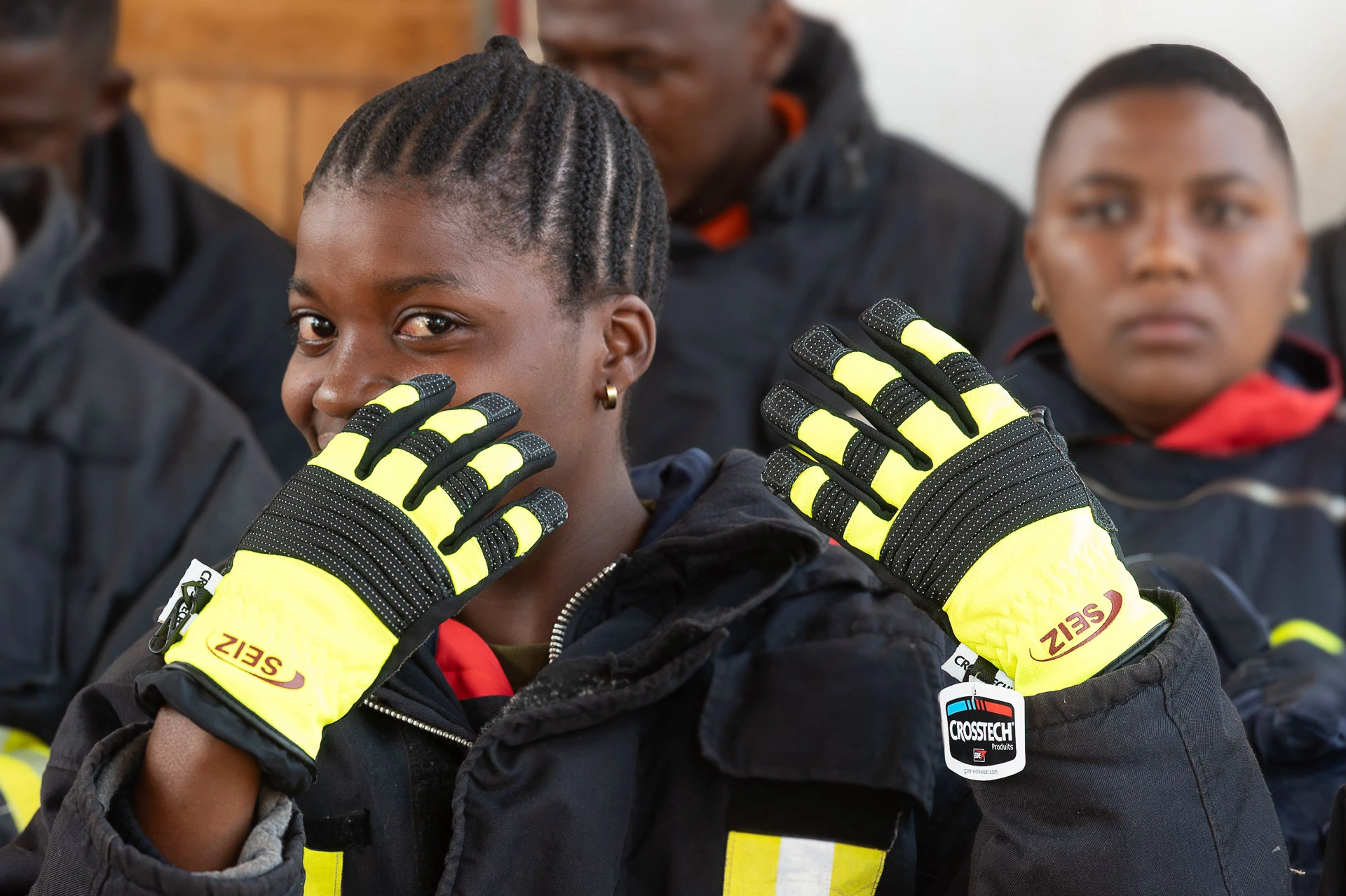
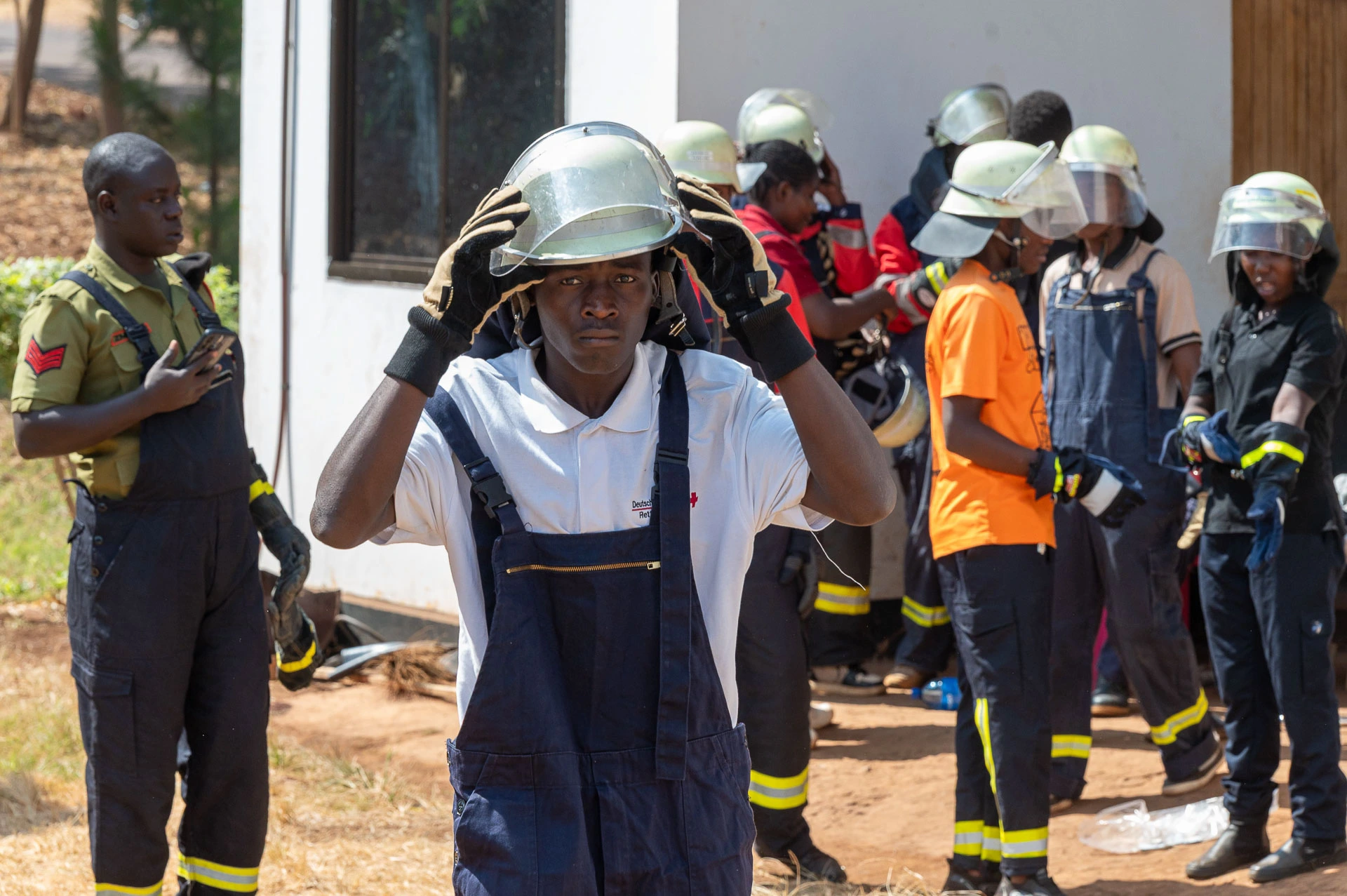
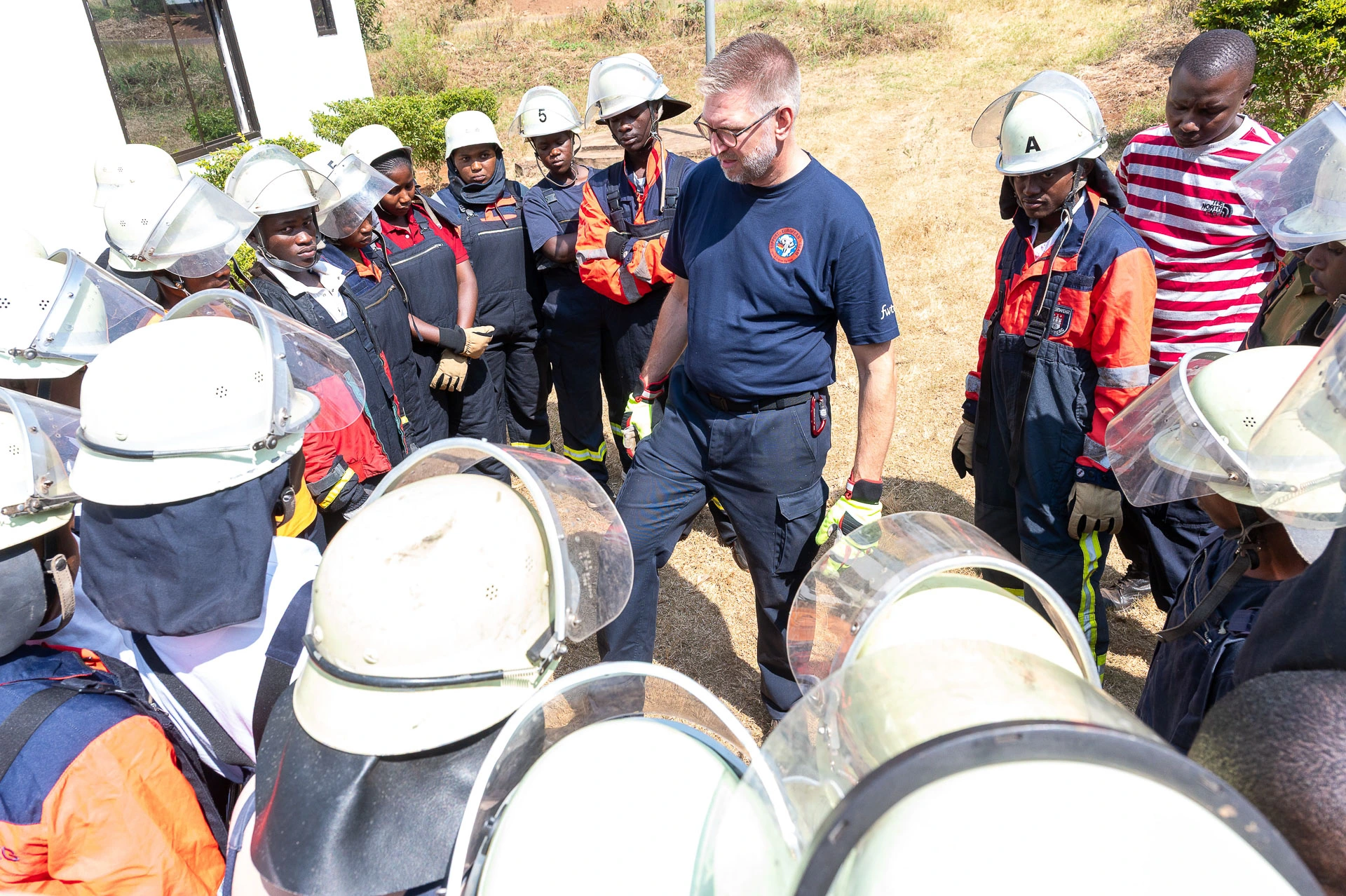
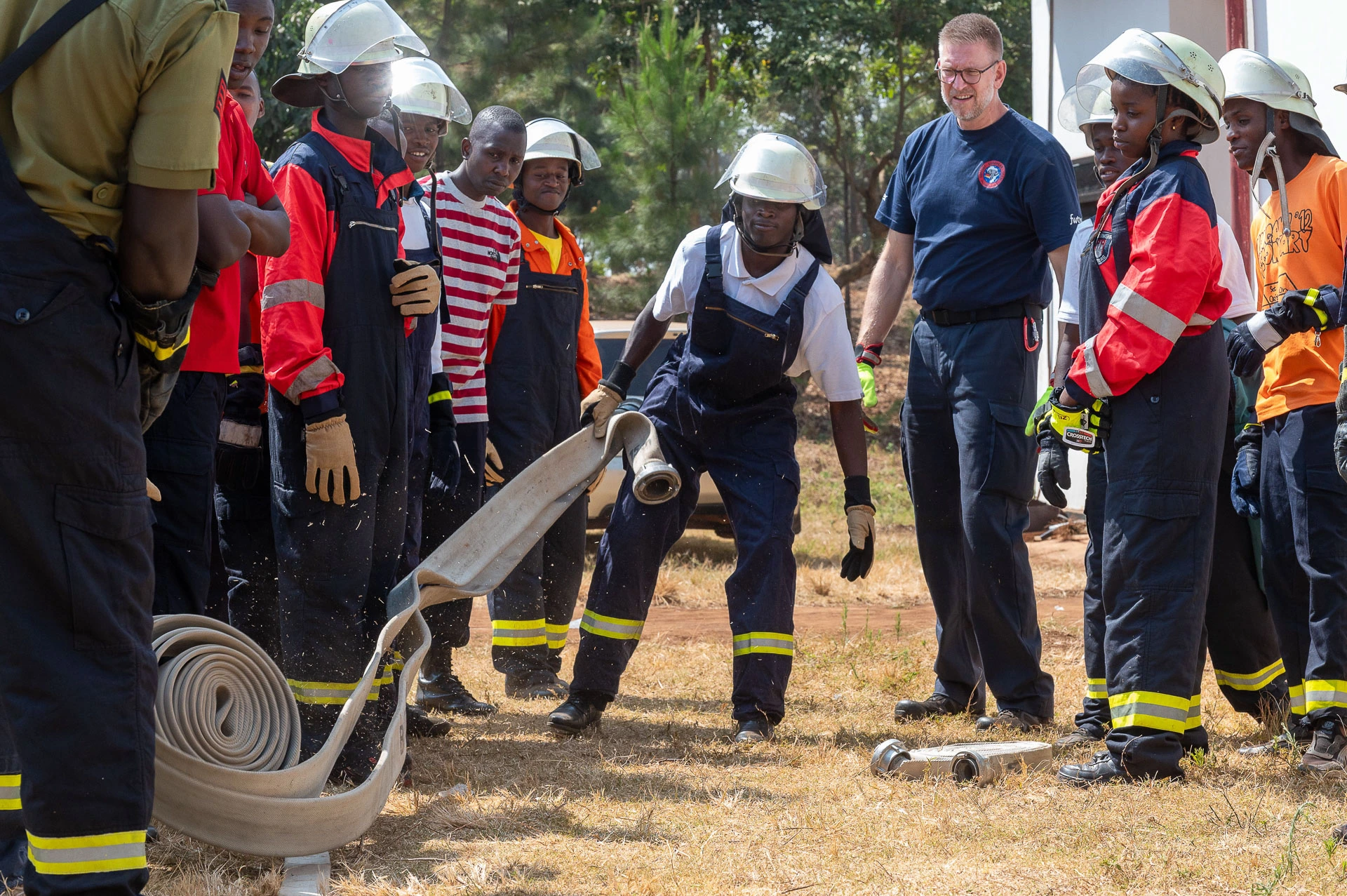
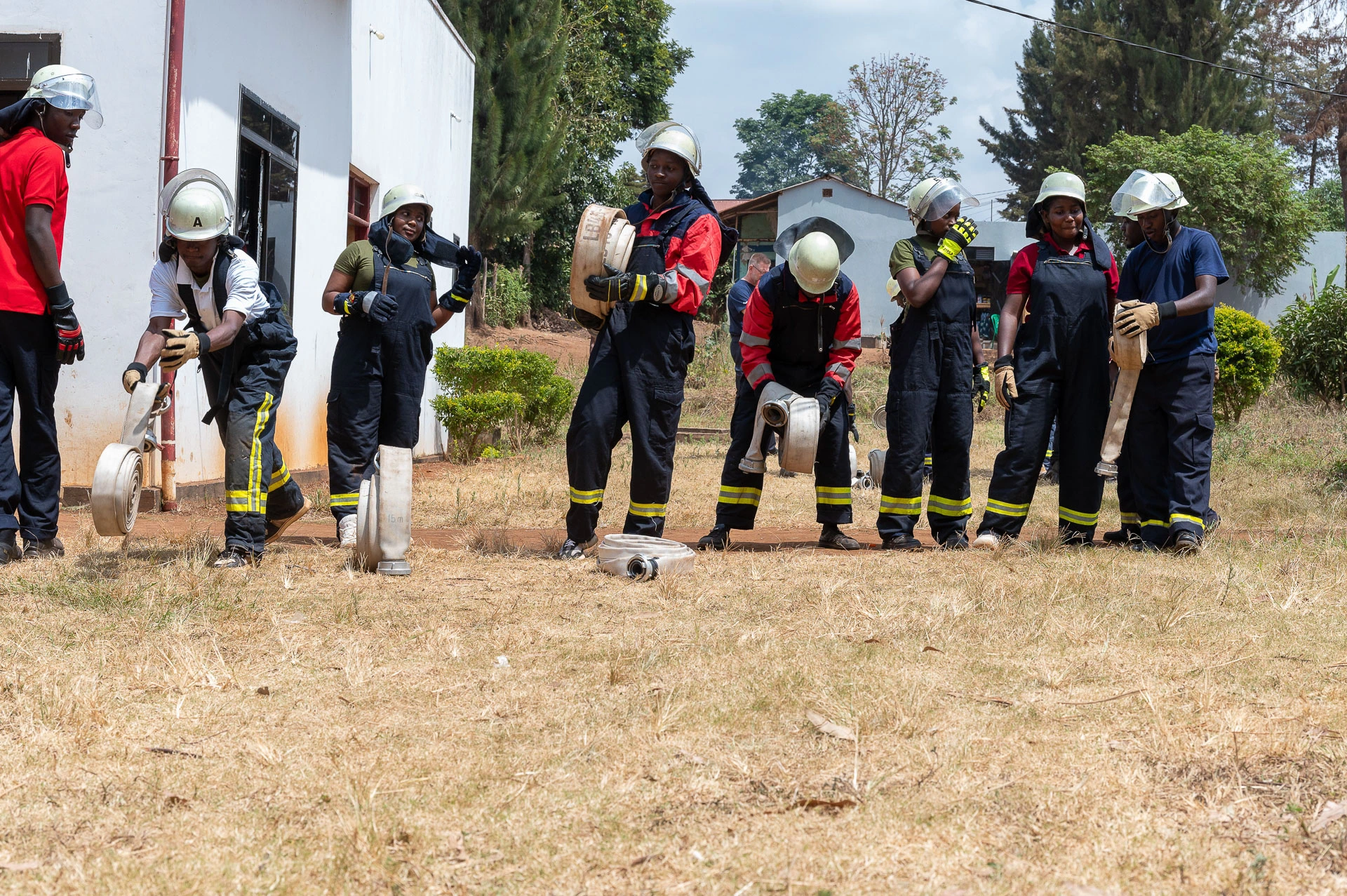
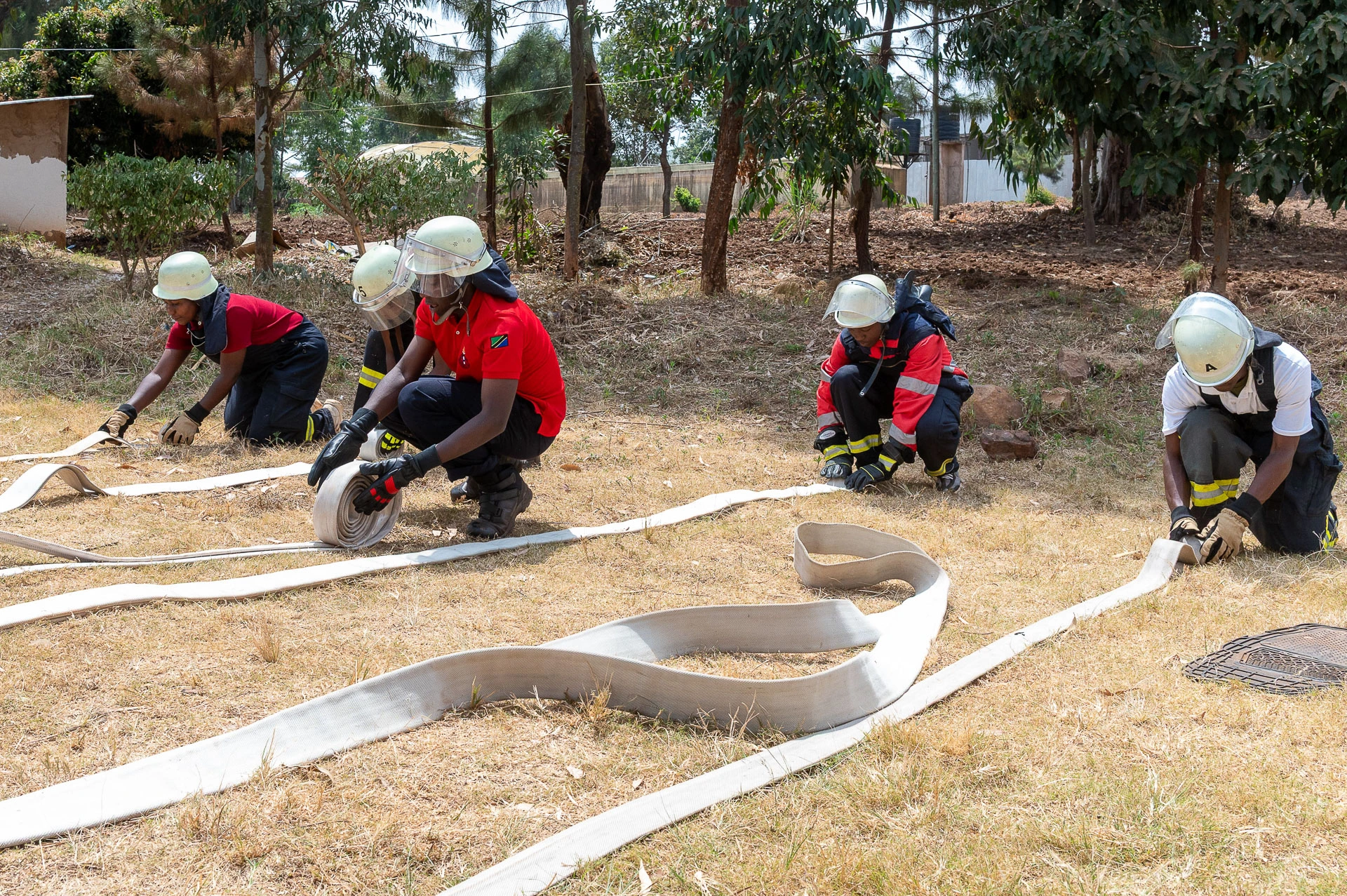
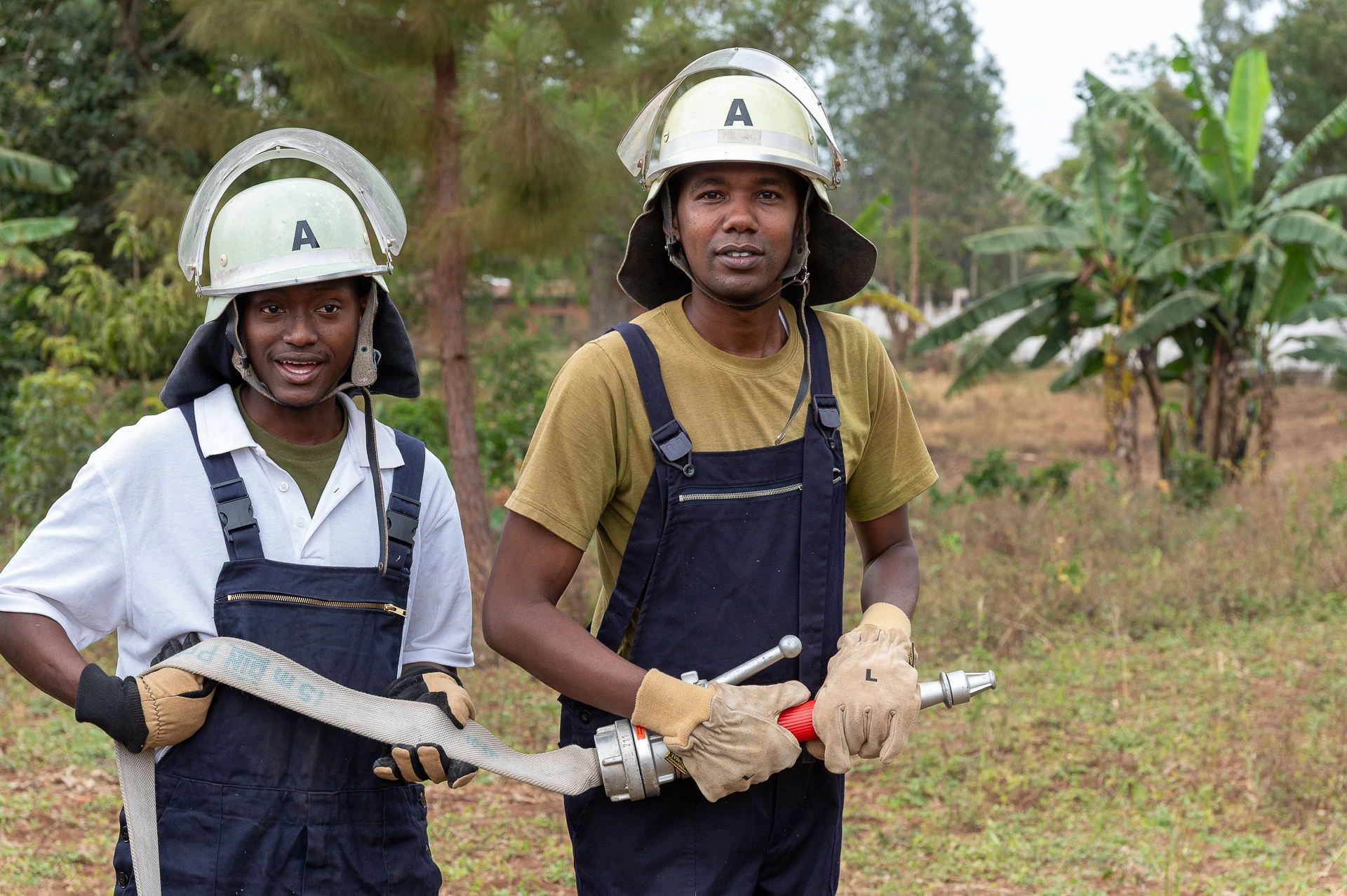
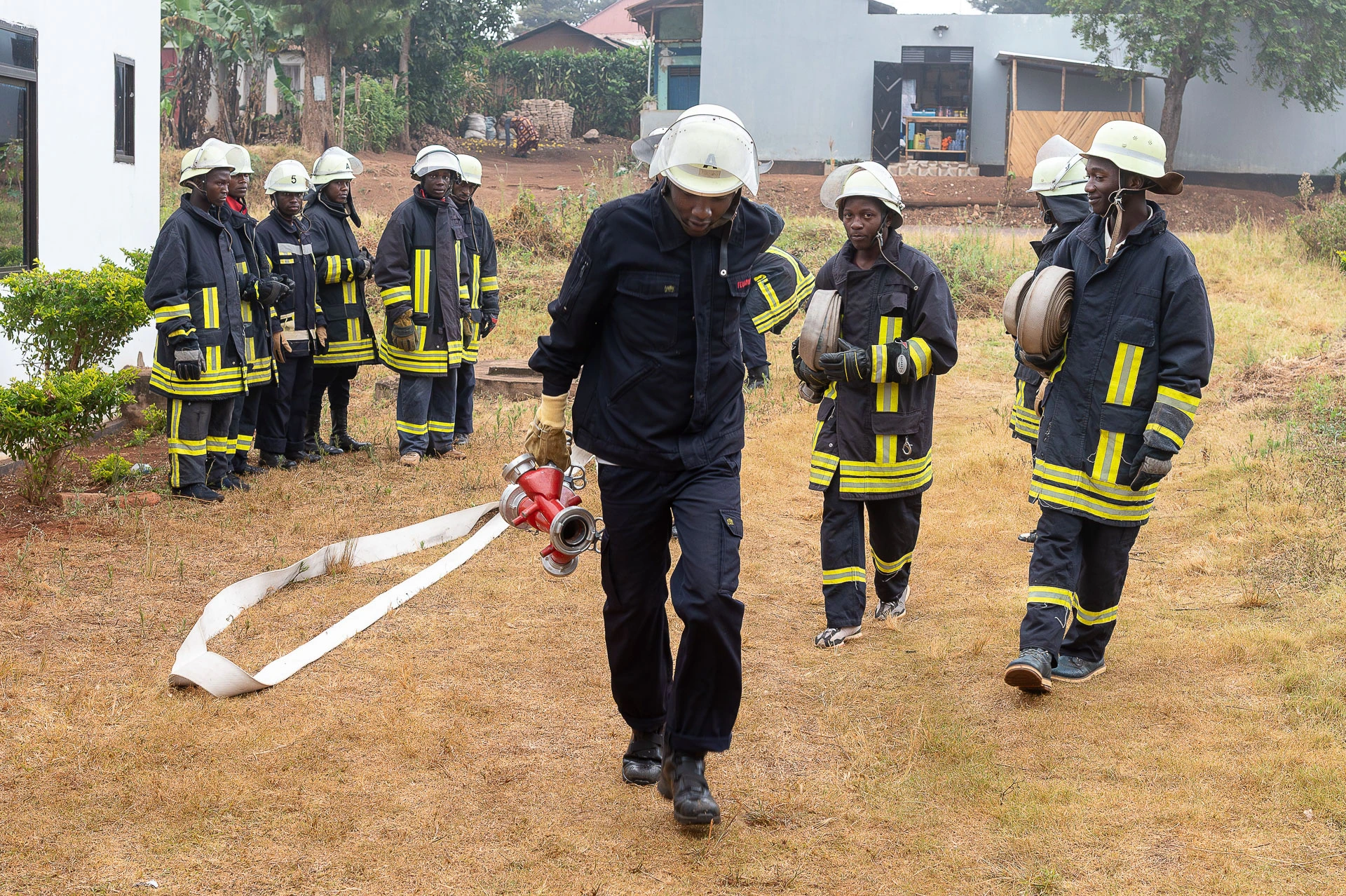
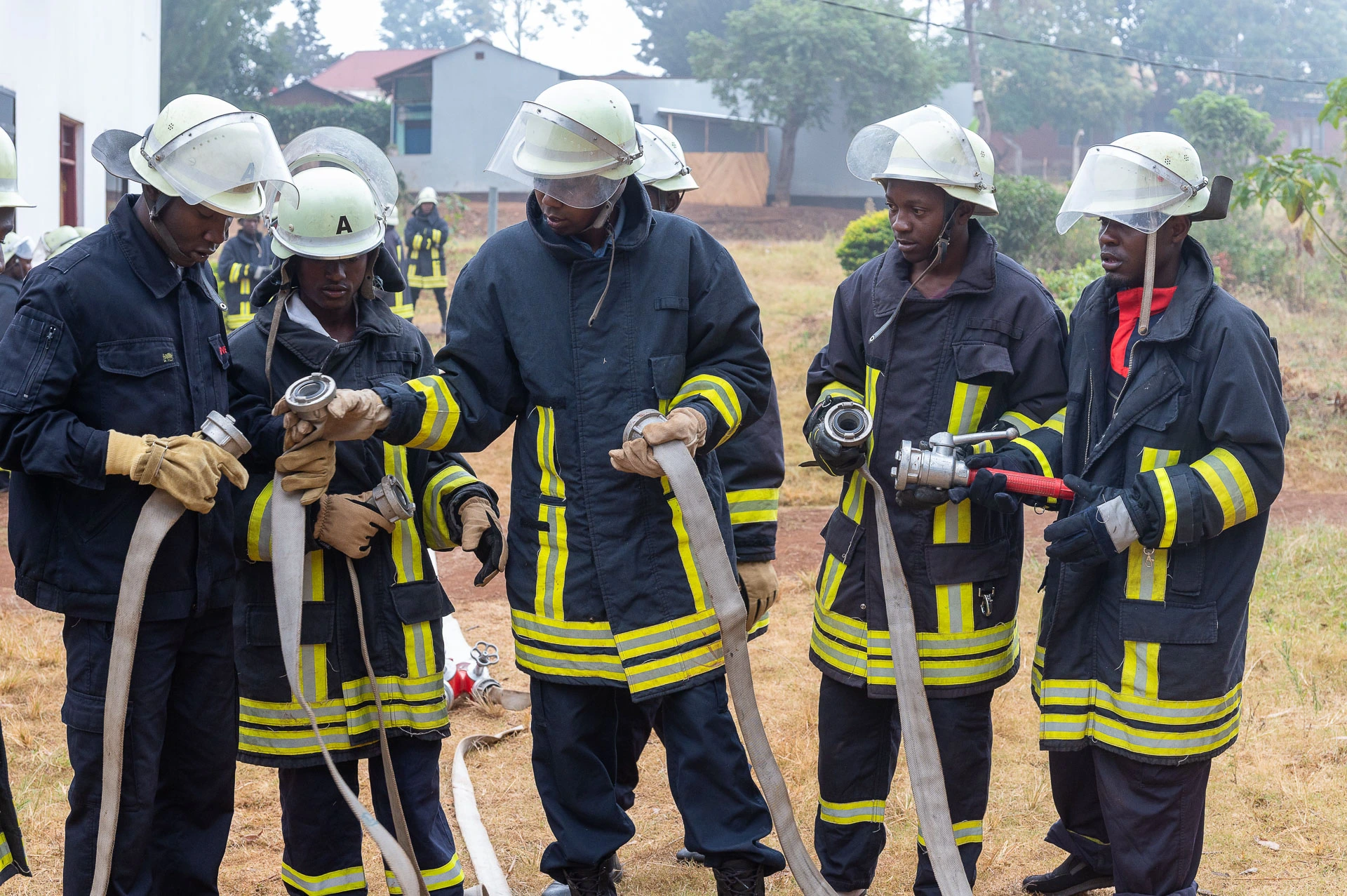
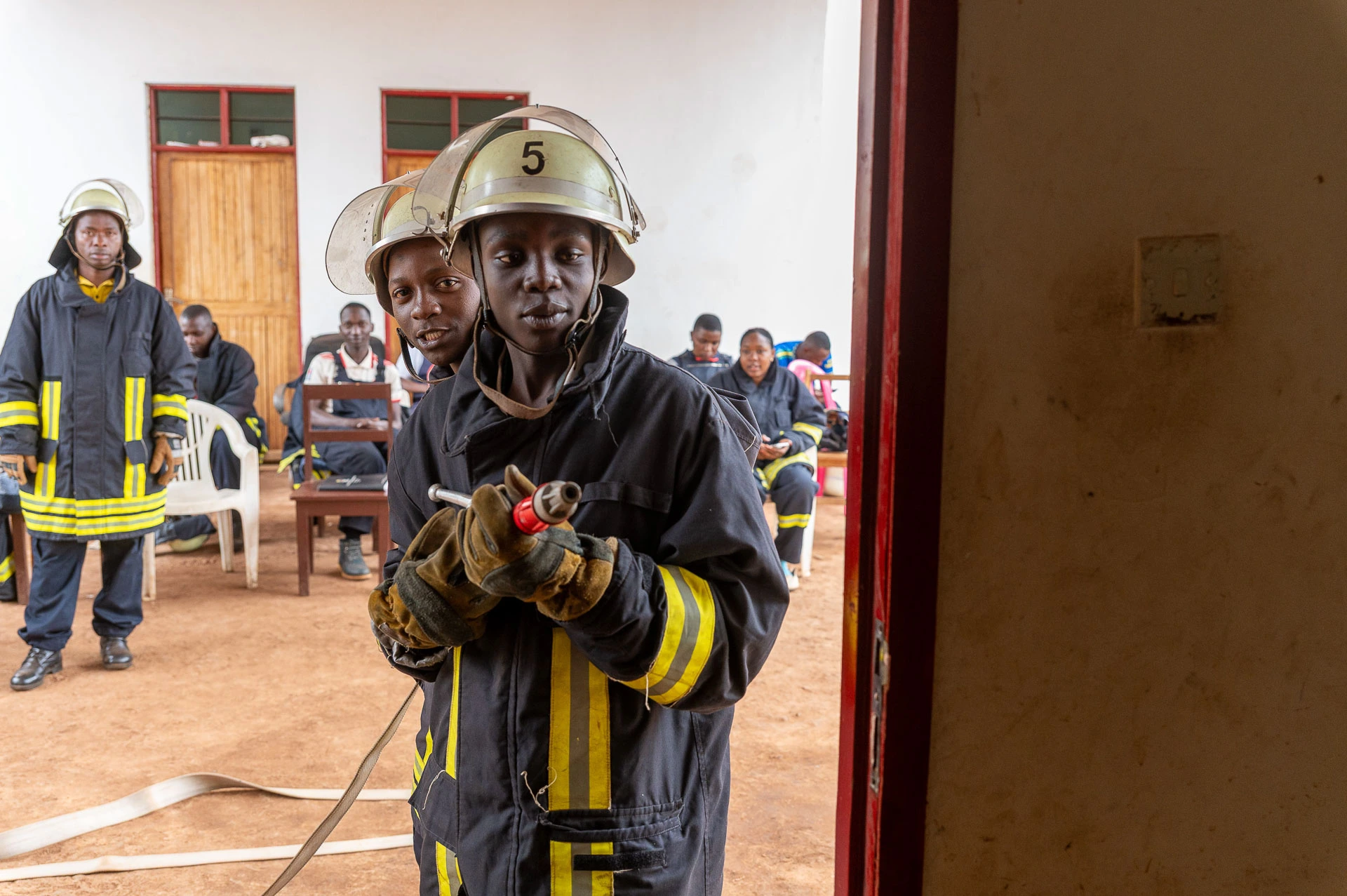
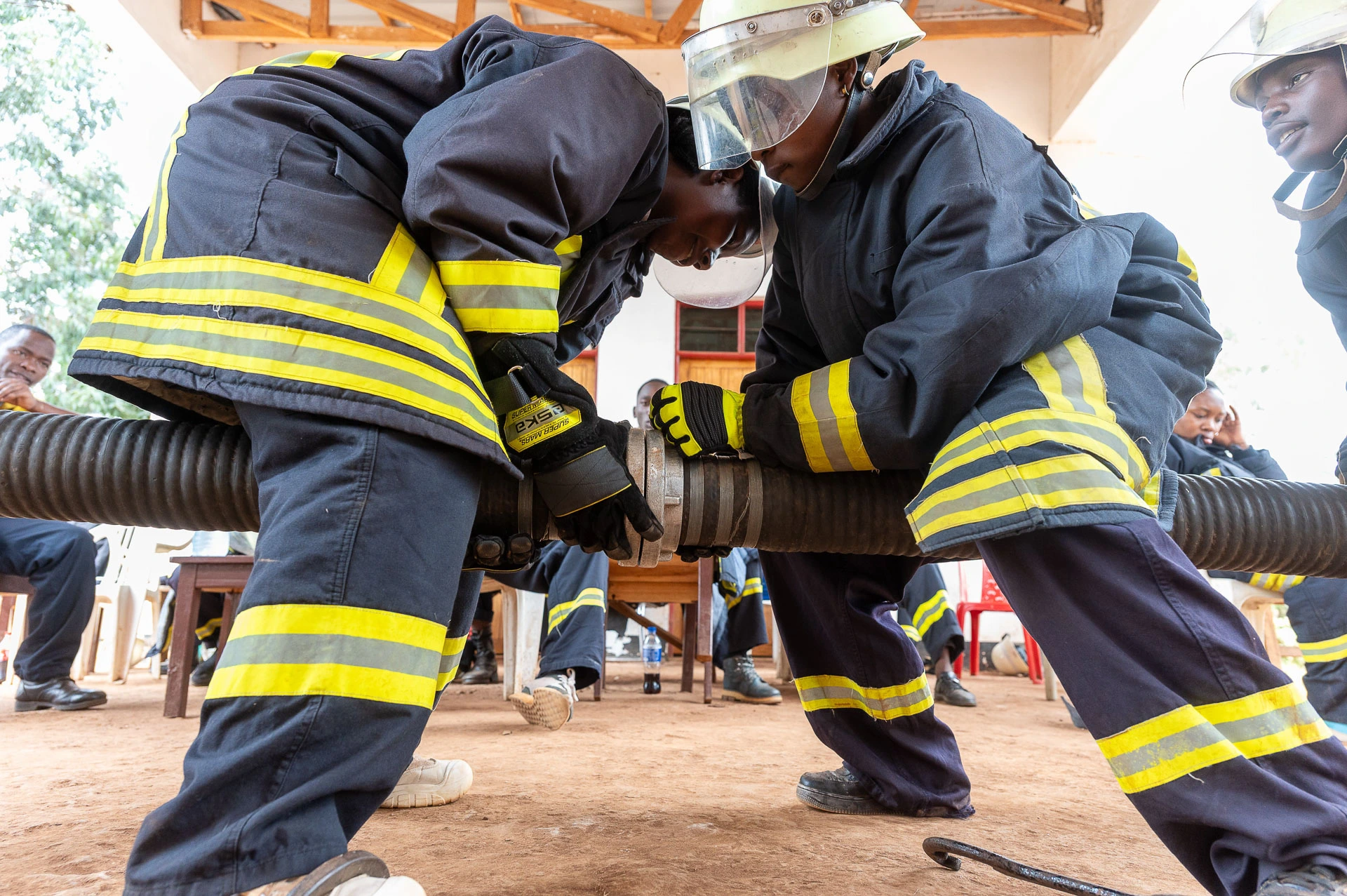
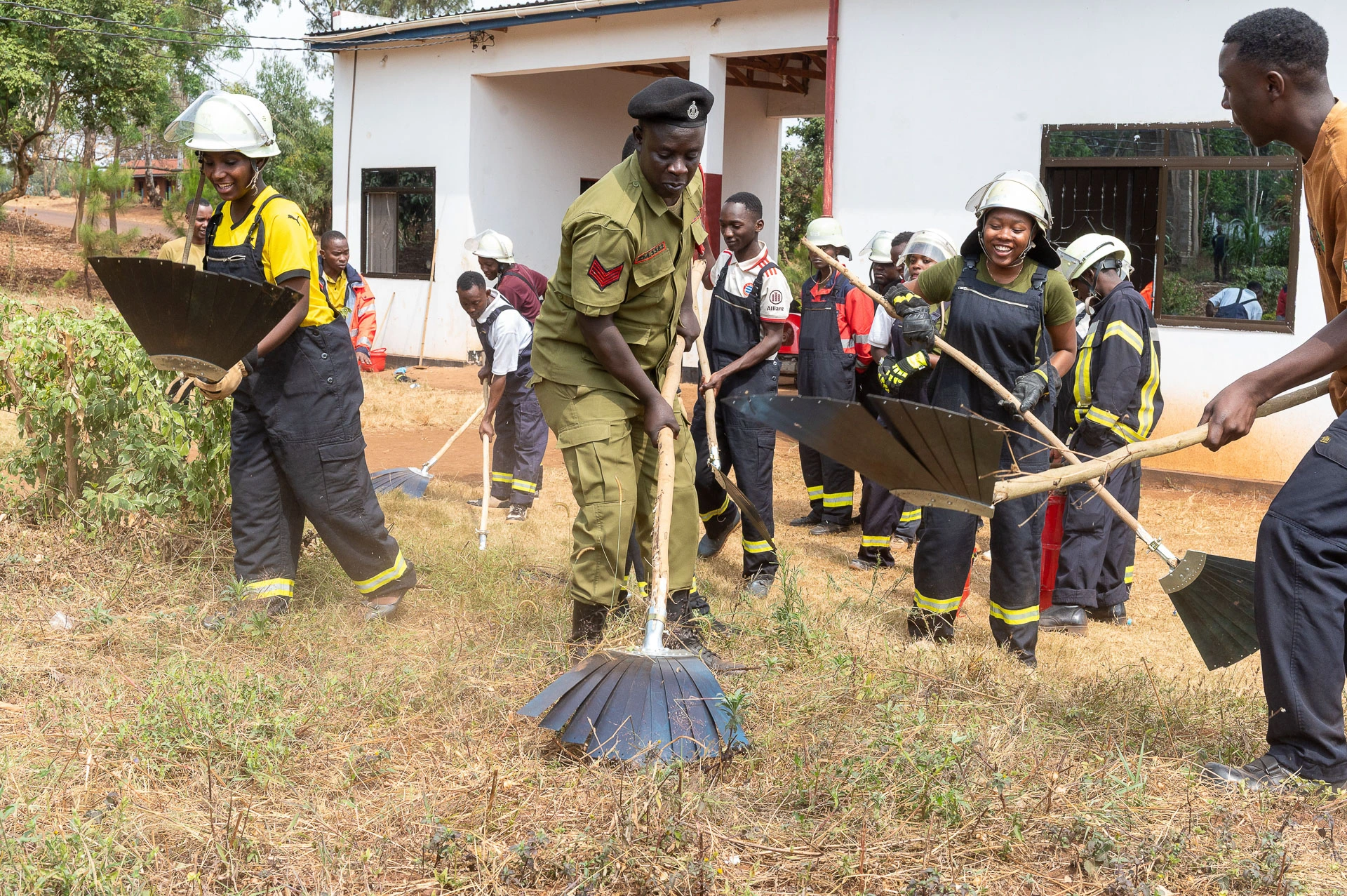
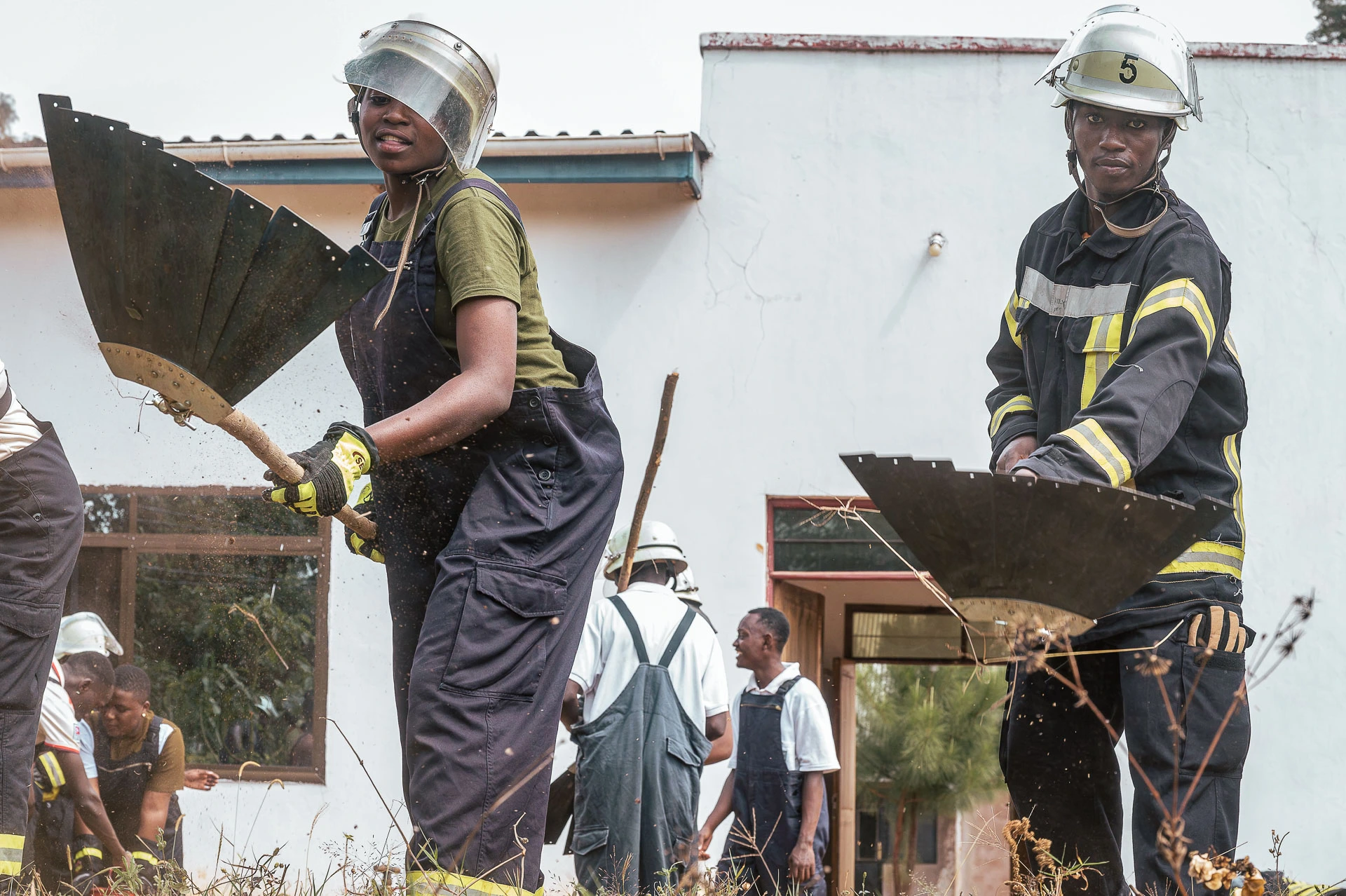
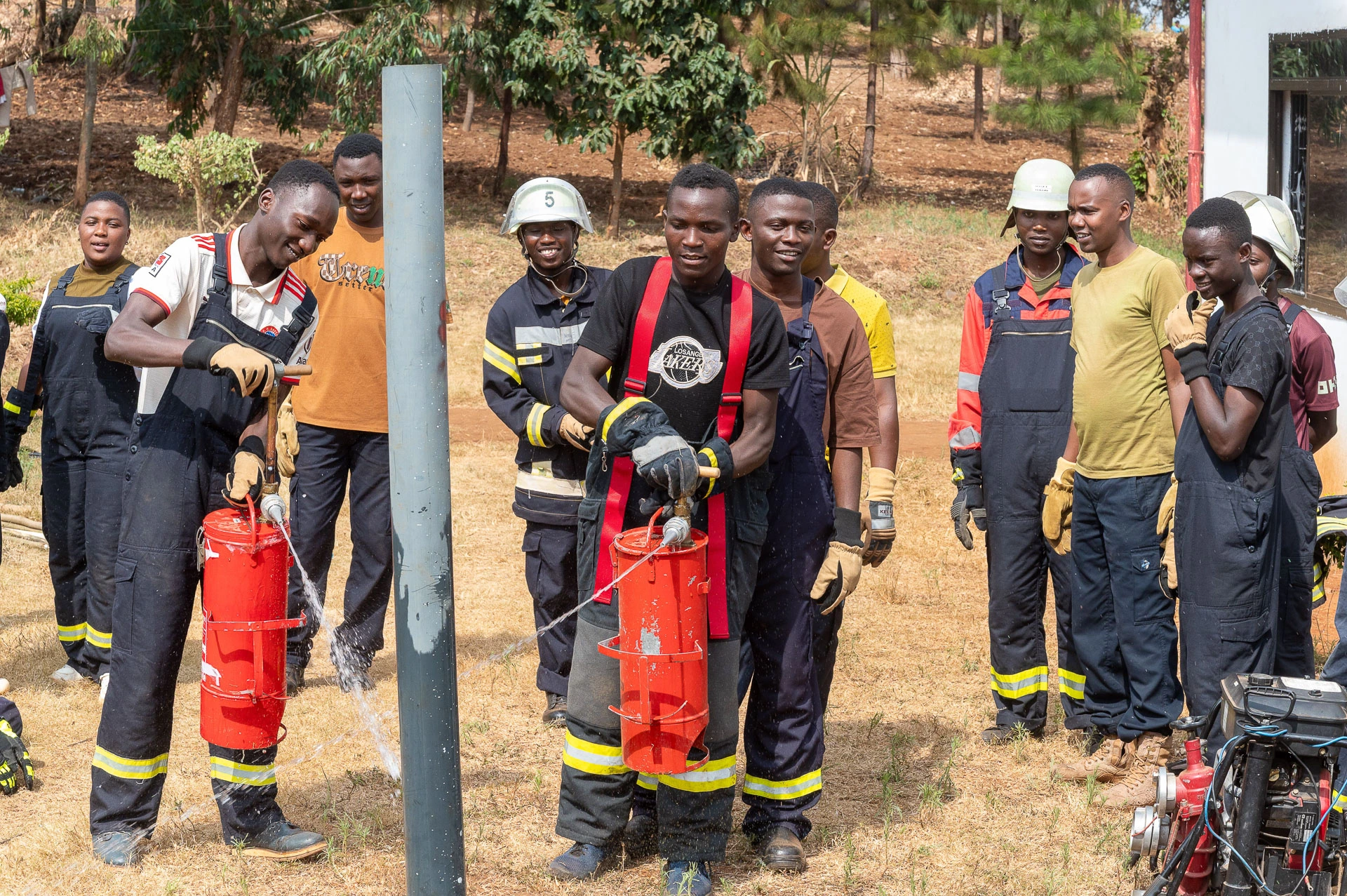
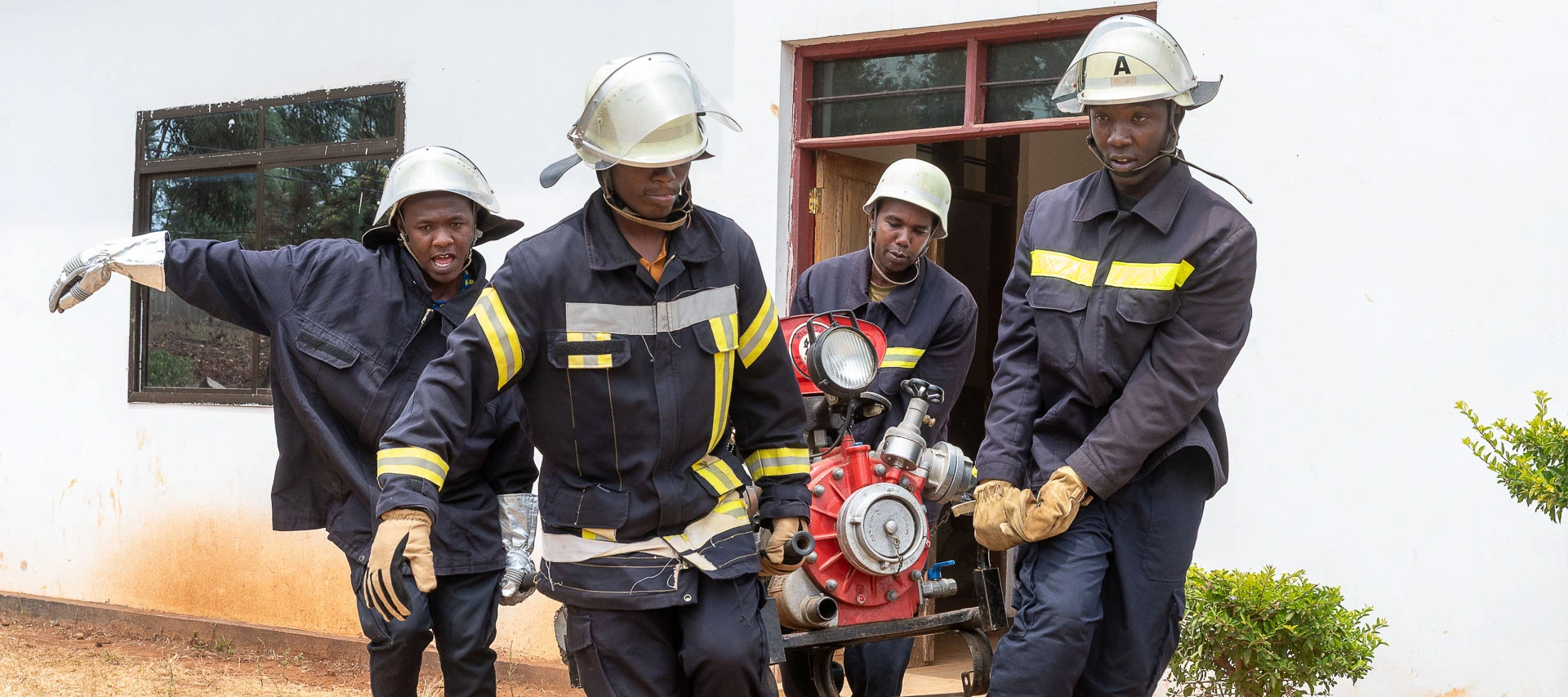
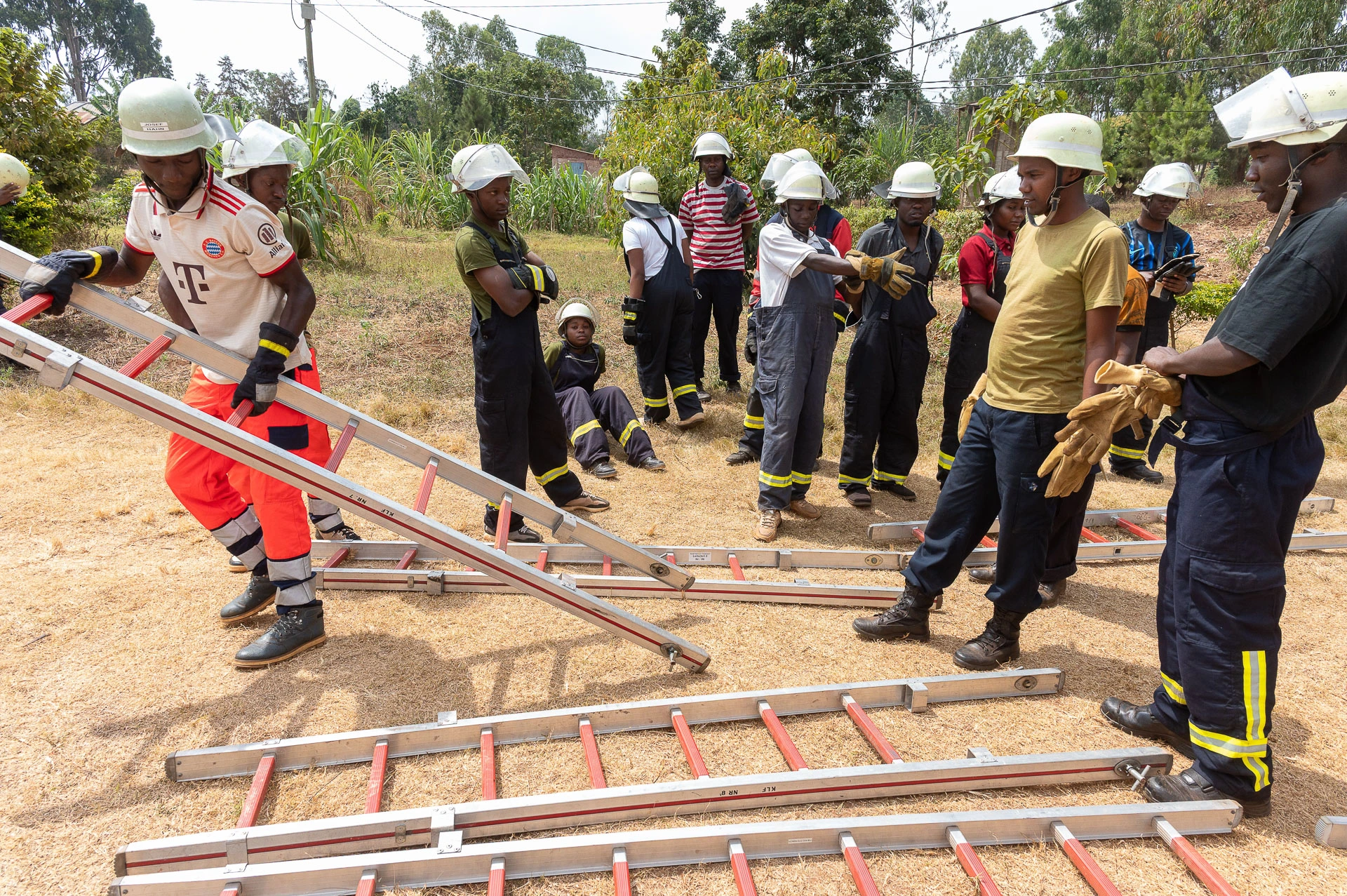
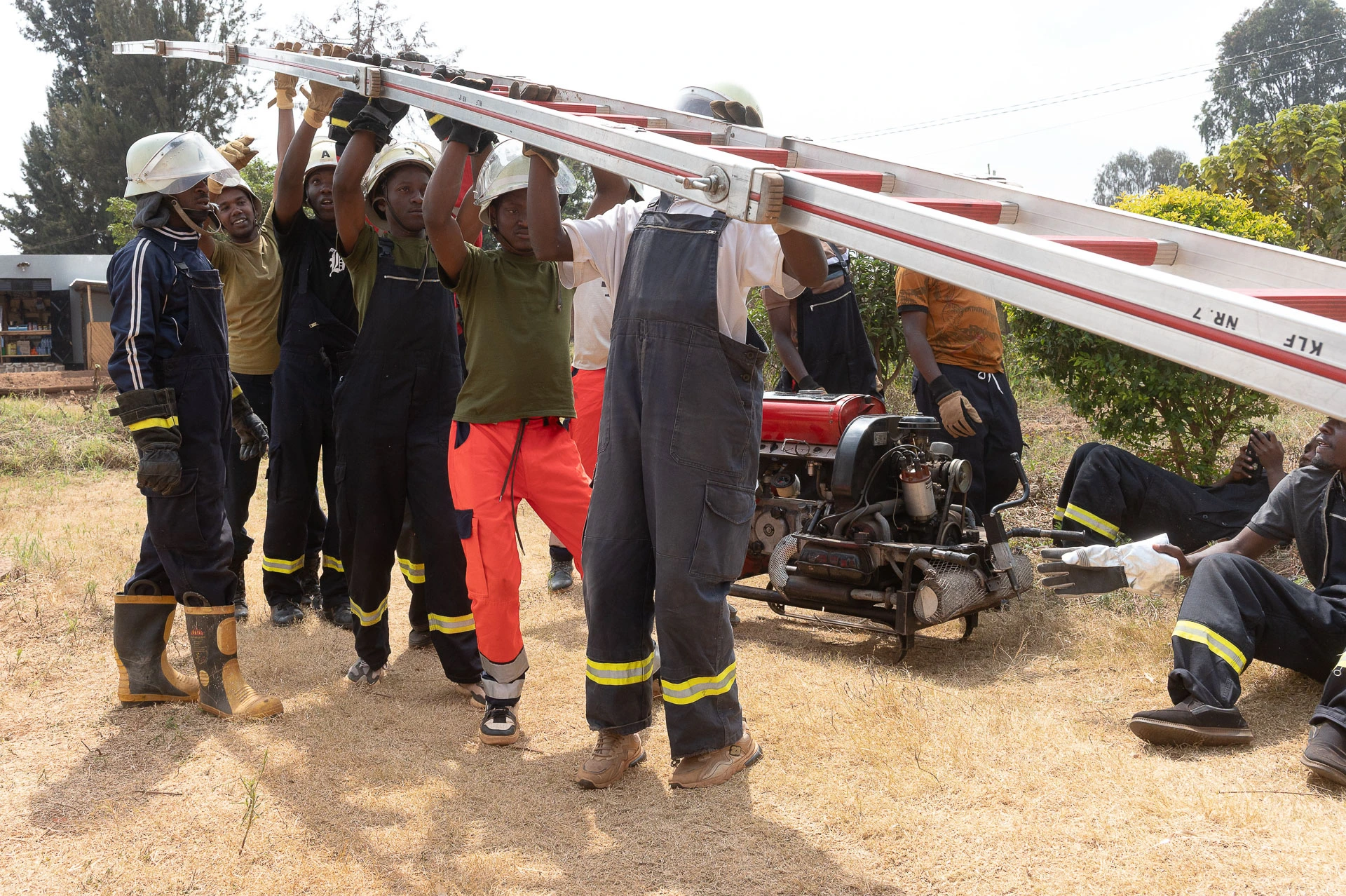
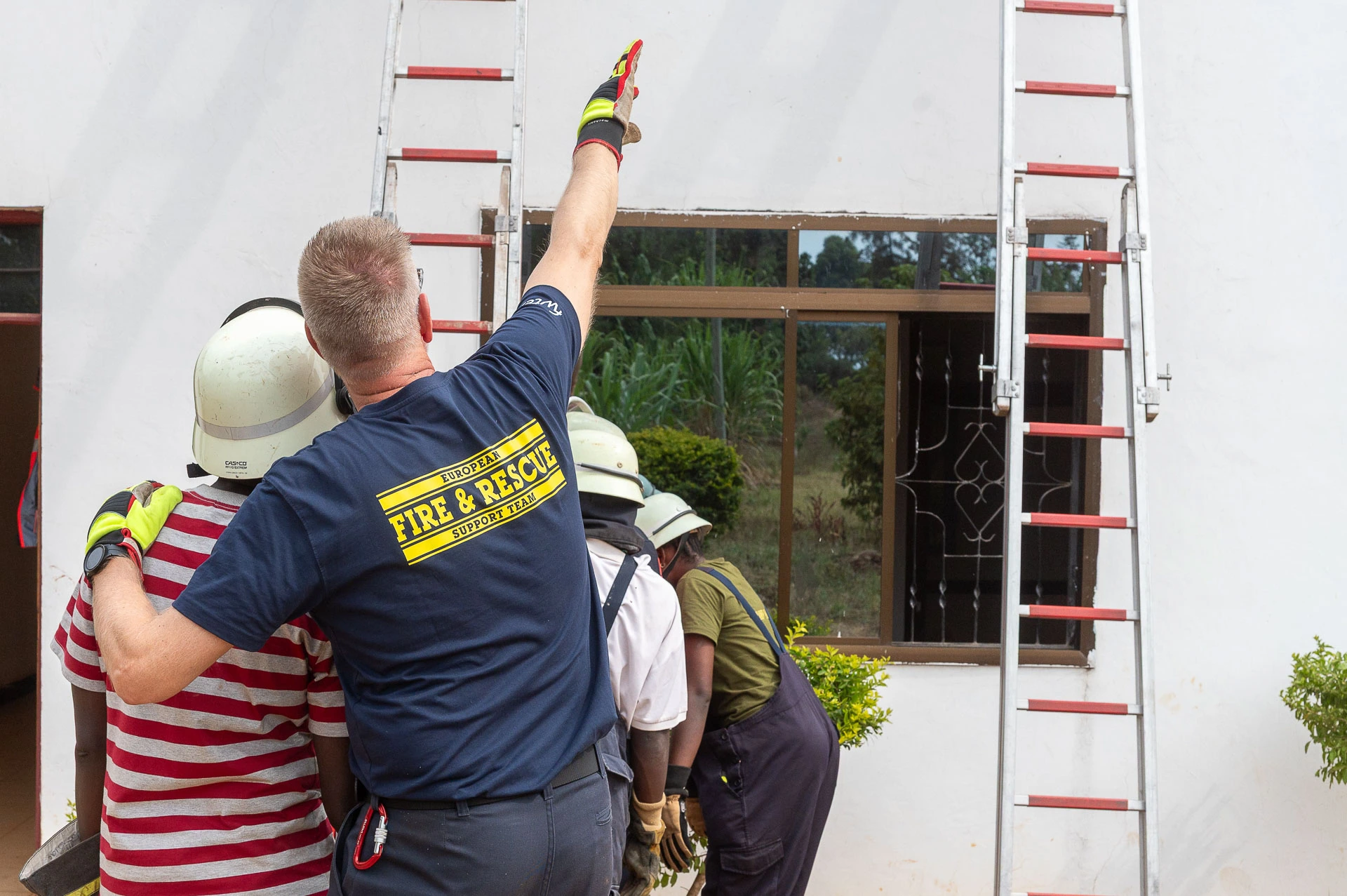
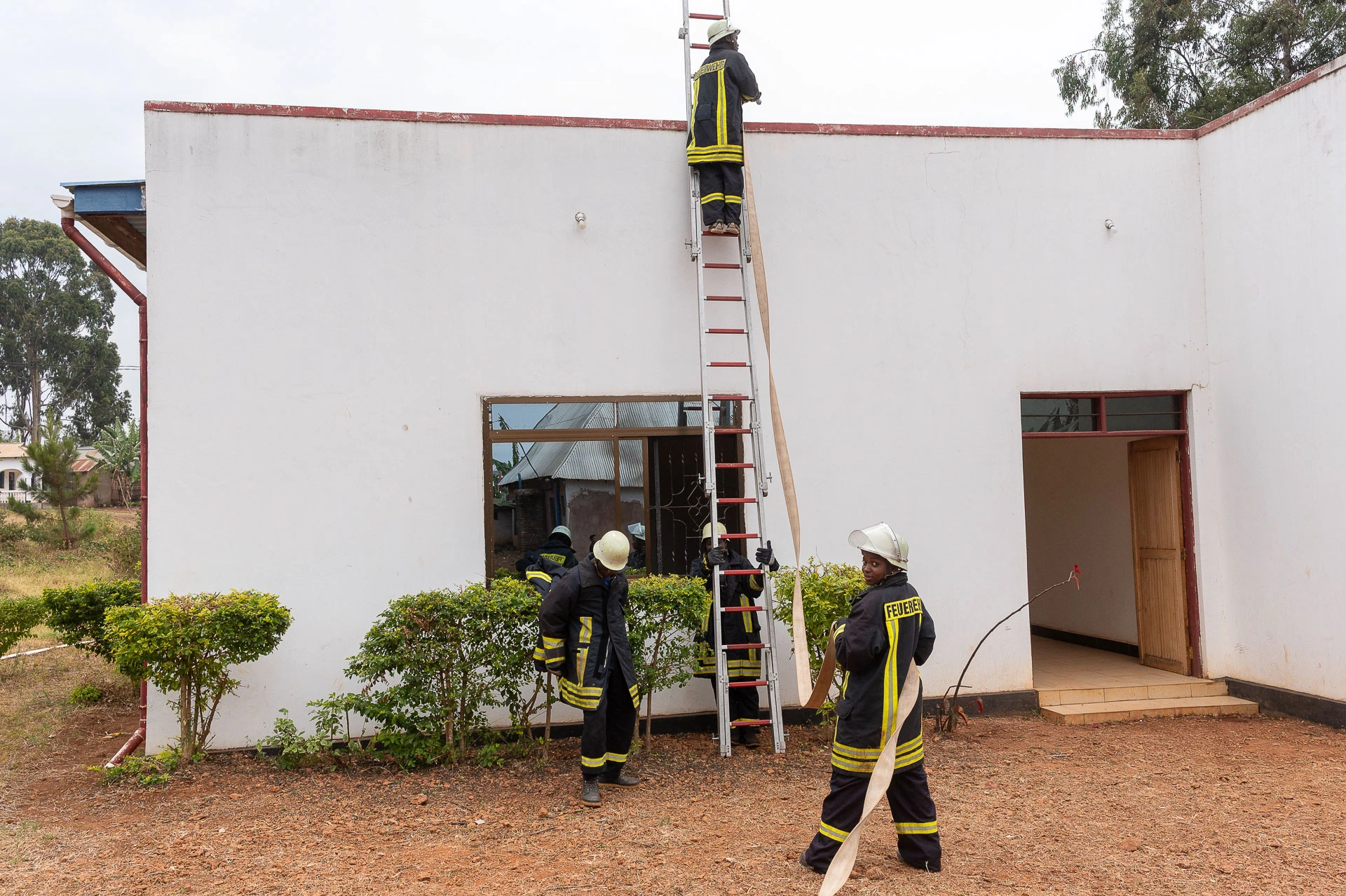
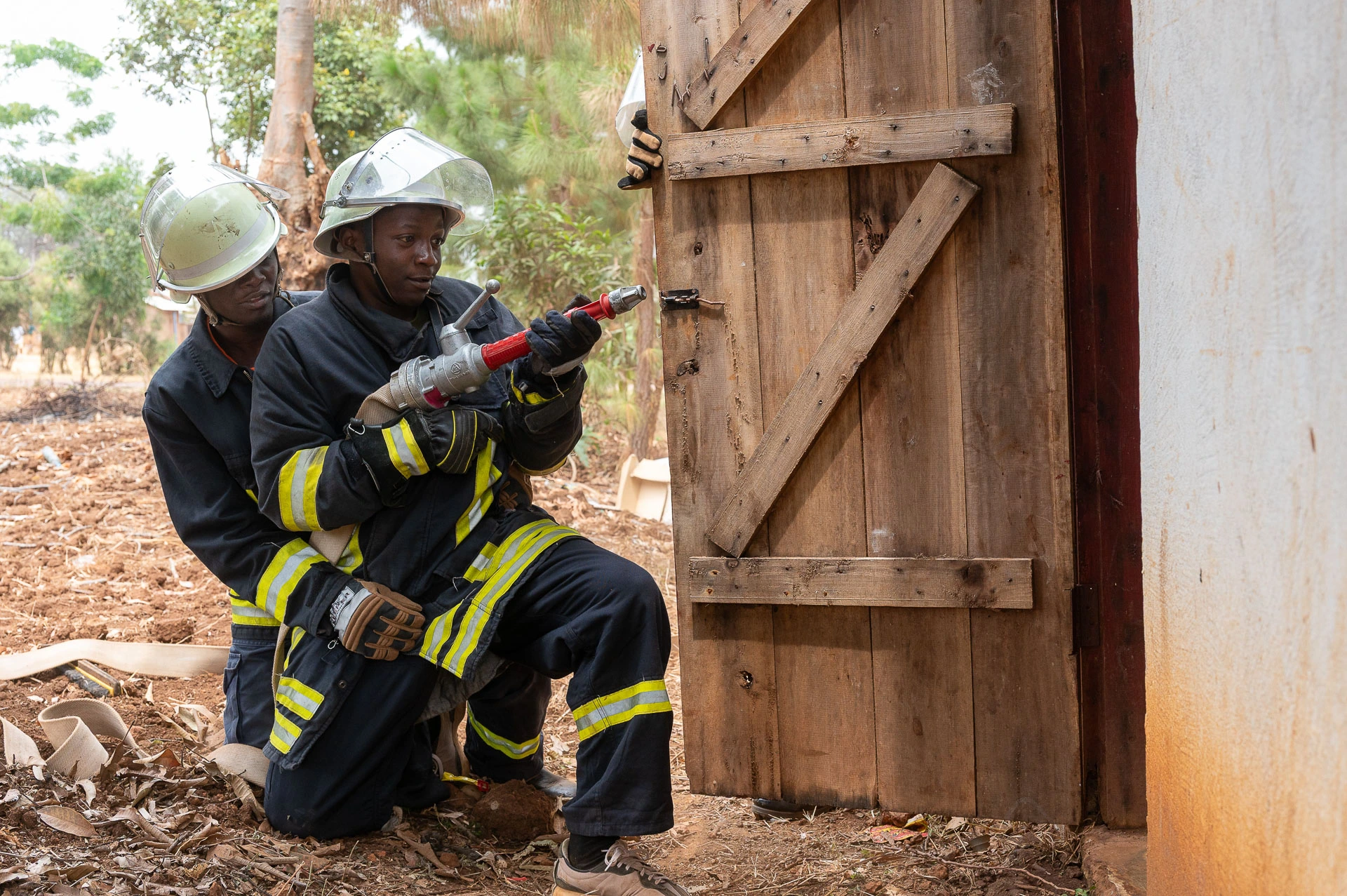
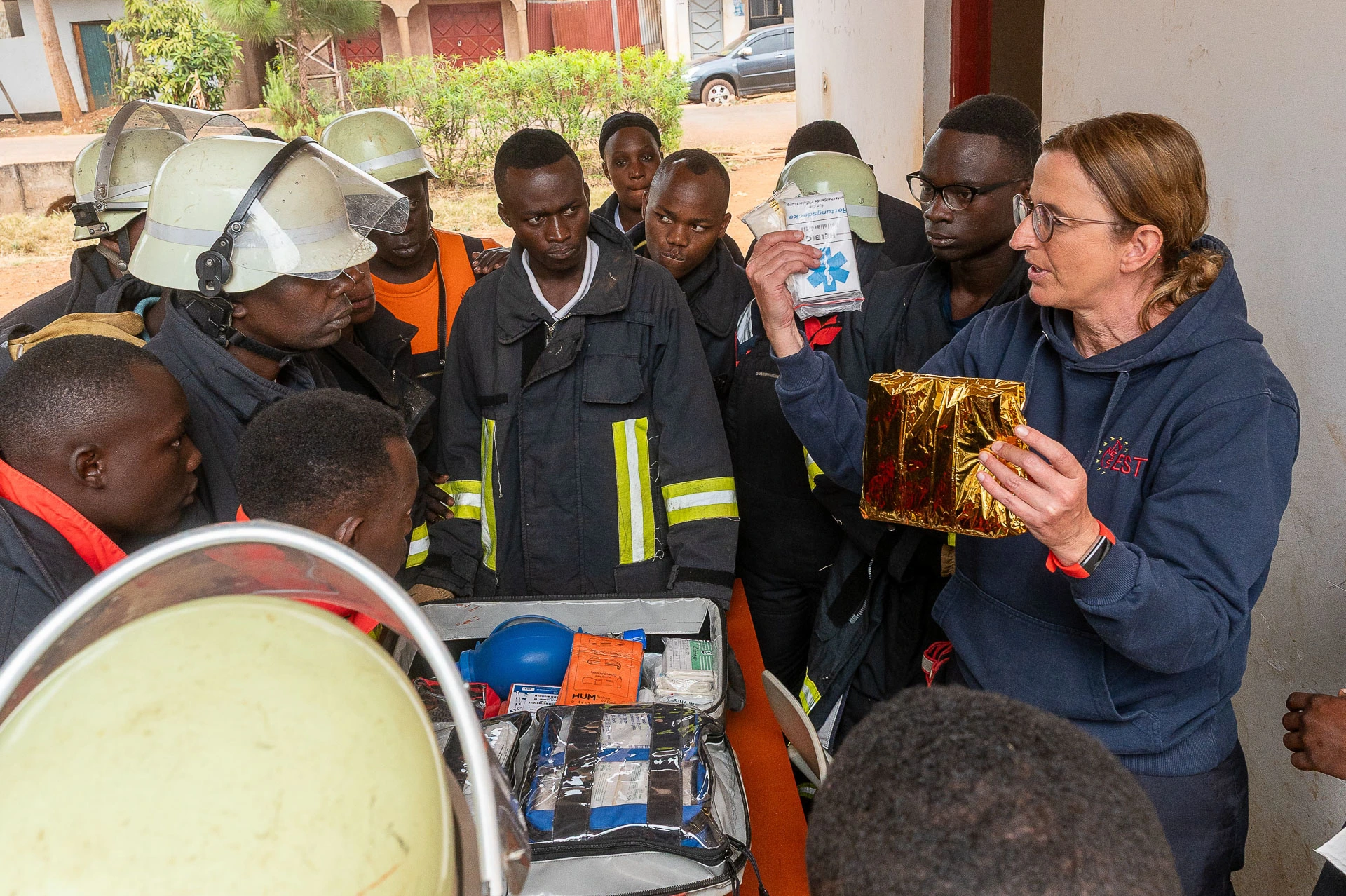
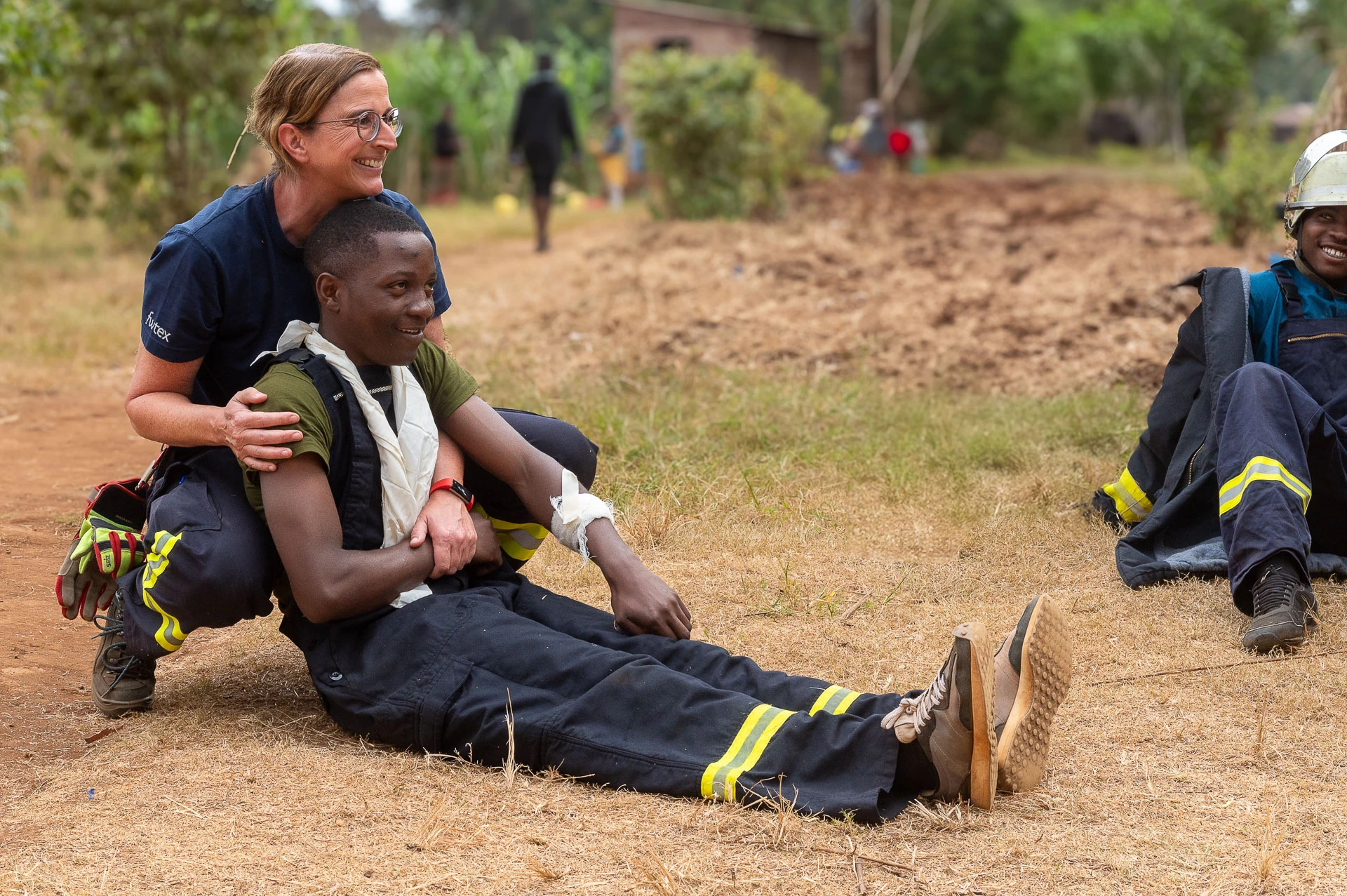
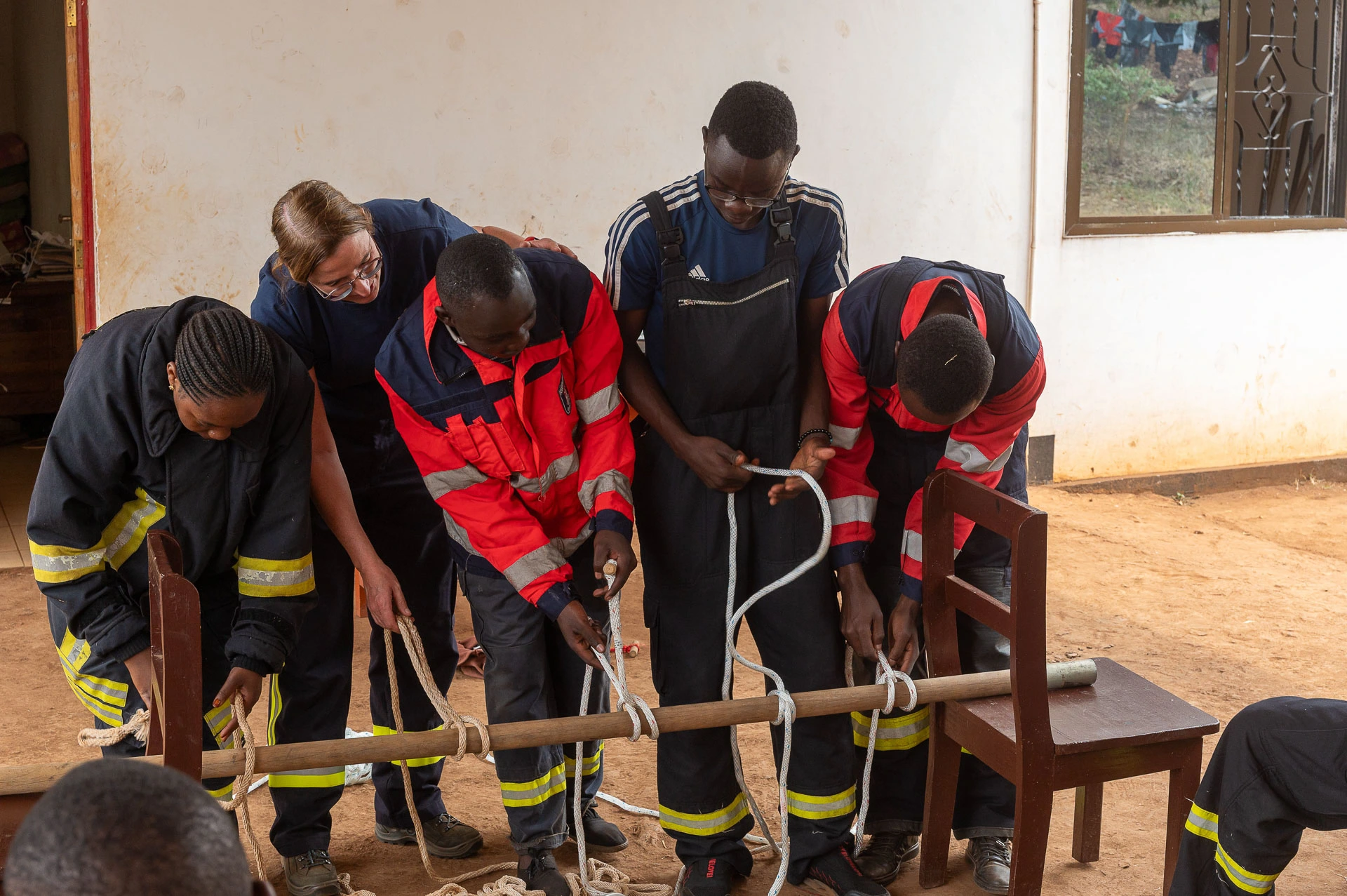
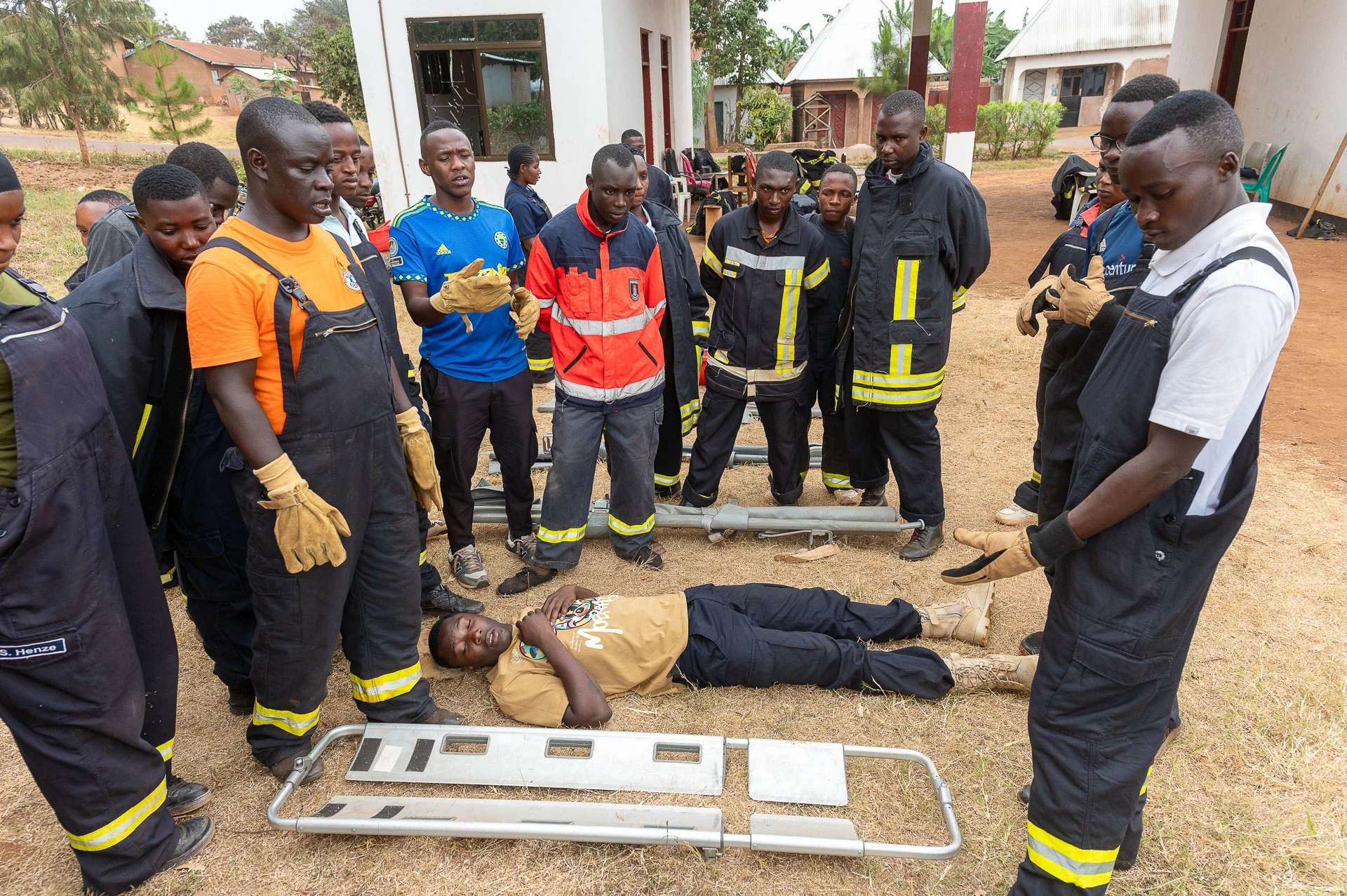
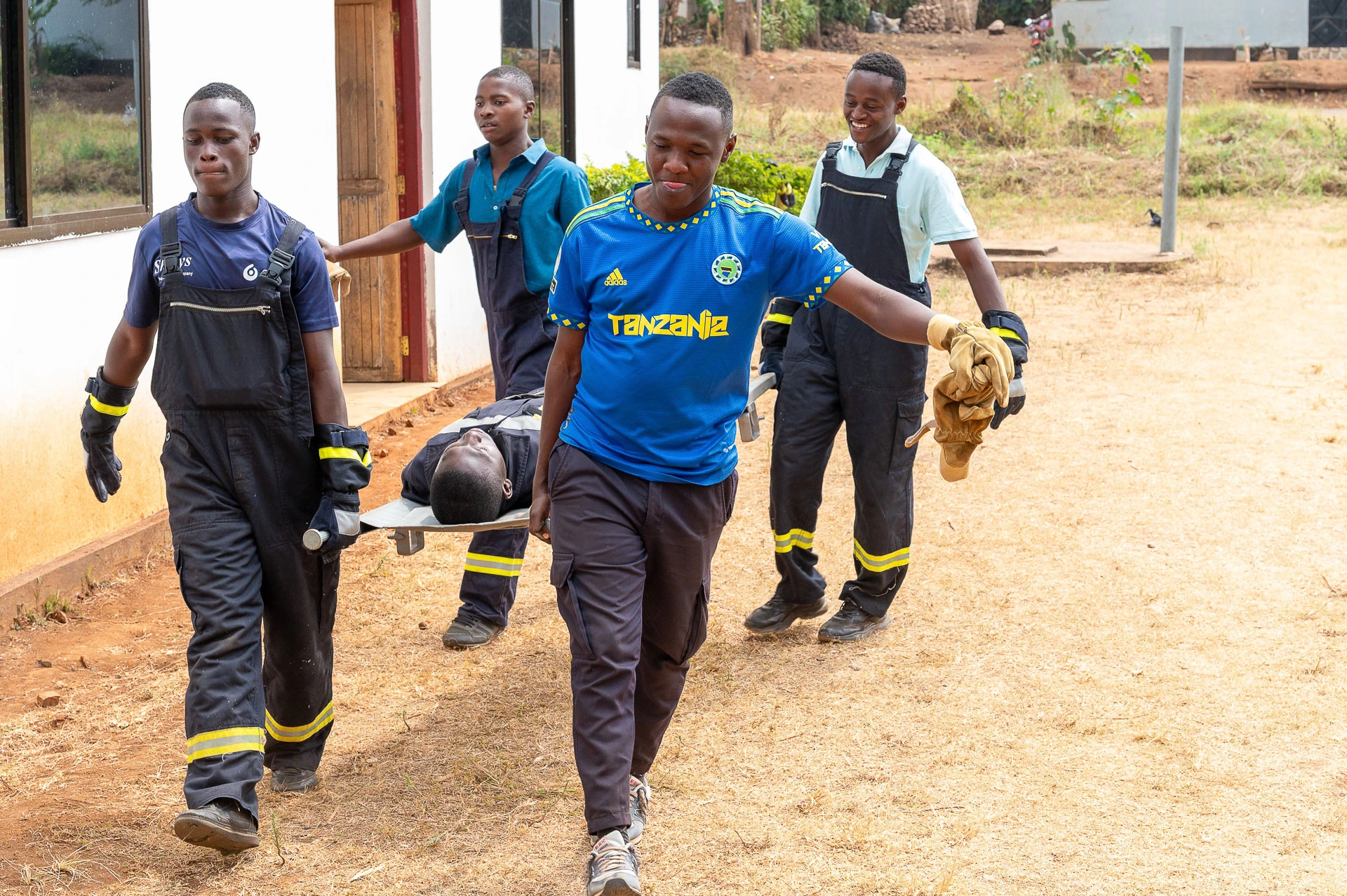
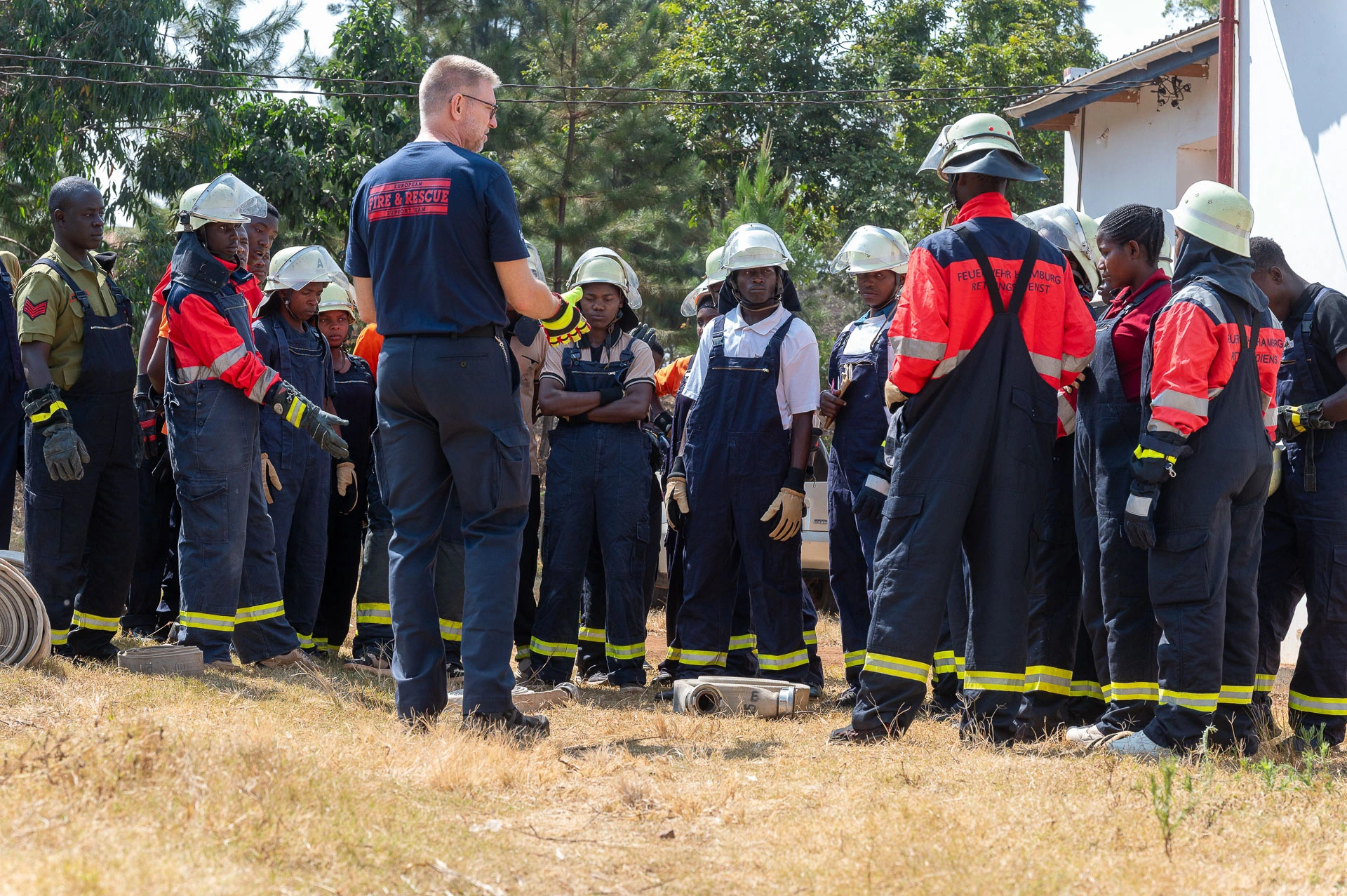
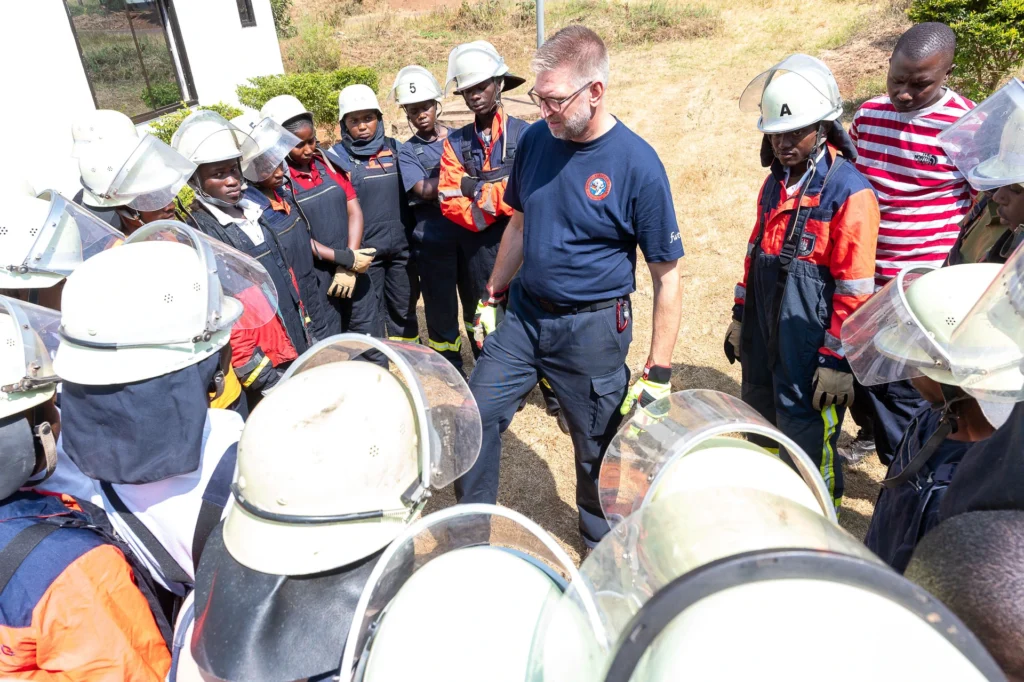
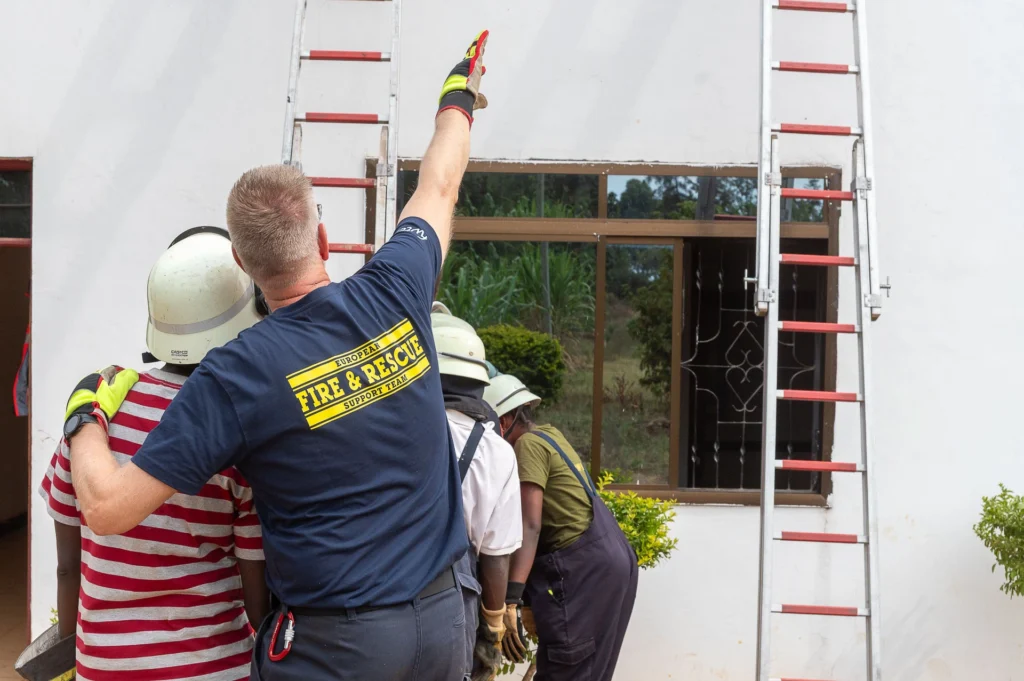
The completed training missions therefore served, on the one hand, to provide basic training and familiarize personnel with operational structures, and, on the other hand, to assess the current situation and identify existing and required equipment.
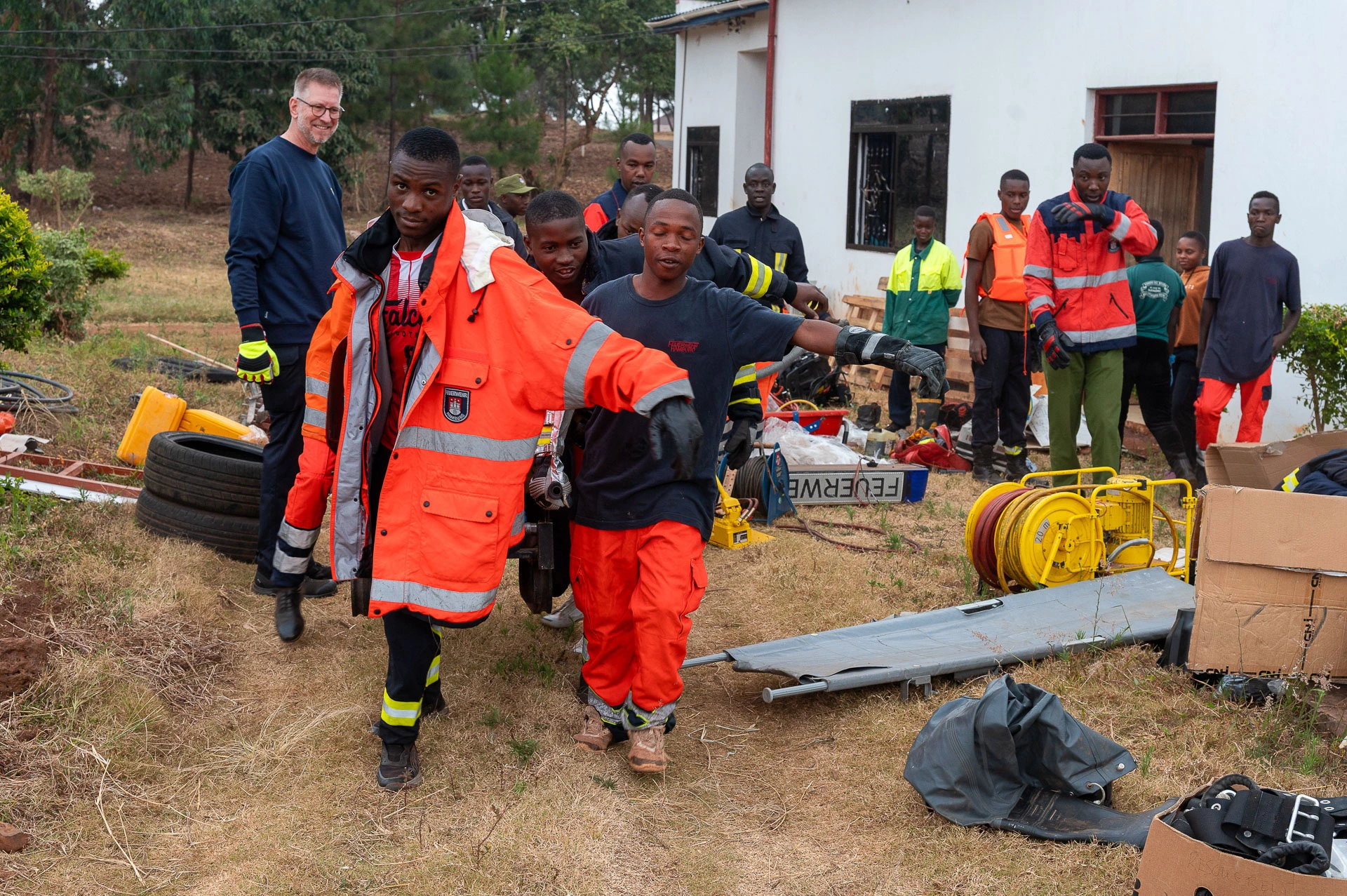
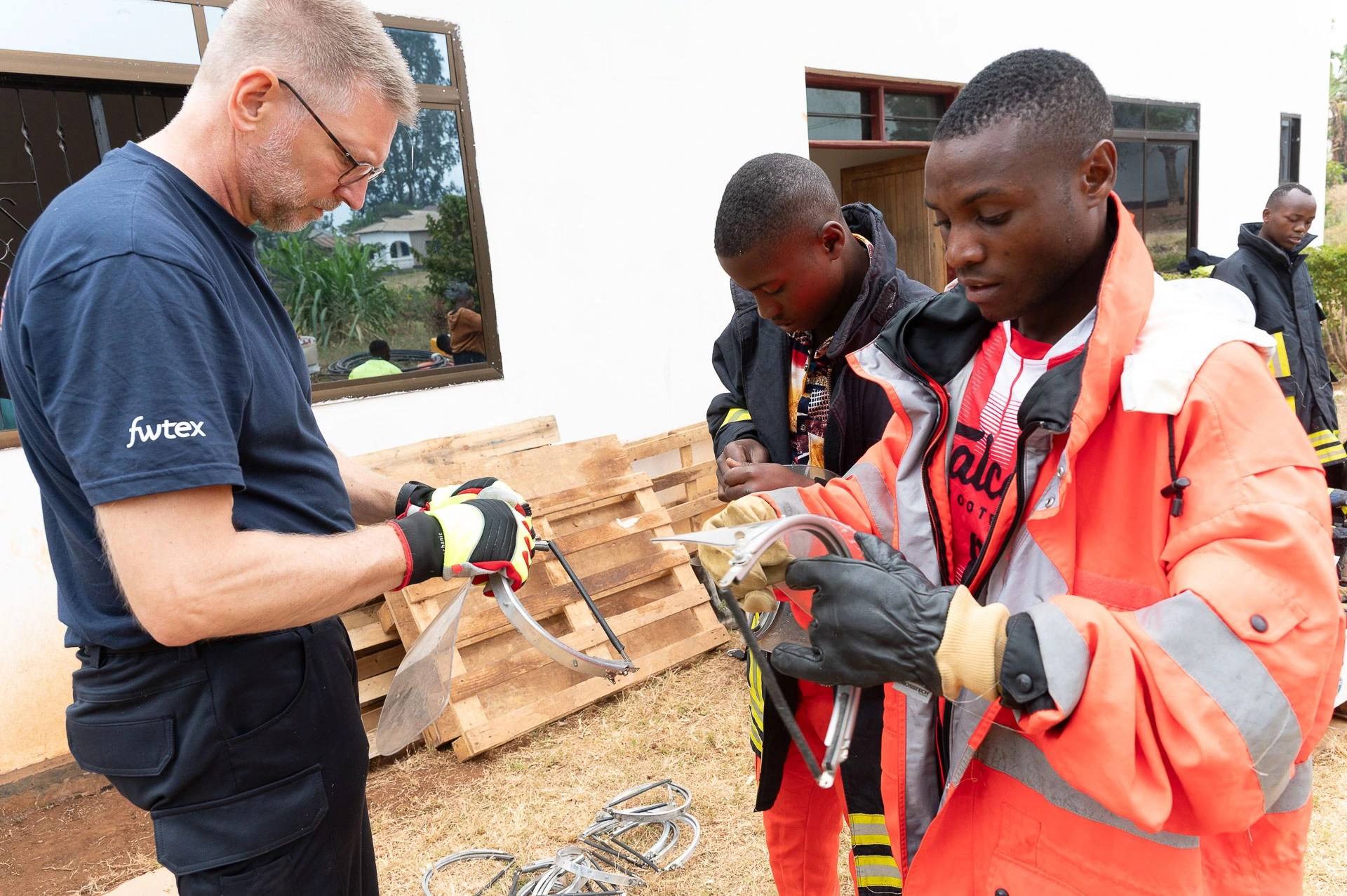
According to local officials, the Kagera region in Tanzania serves as a pilot region for integrating volunteer firefighters into the local fire departments’ structures. In addition to training full-time firefighters, we have also been training volunteer firefighters.
The training of these personnel will be advanced through additional training trips, with the goal in the medium to long term being for full-time personnel to attain a qualification comparable to that of a German group leader, and for volunteer personnel to attain a qualification comparable to that of a German firefighter or, where applicable, a fire squad leader.
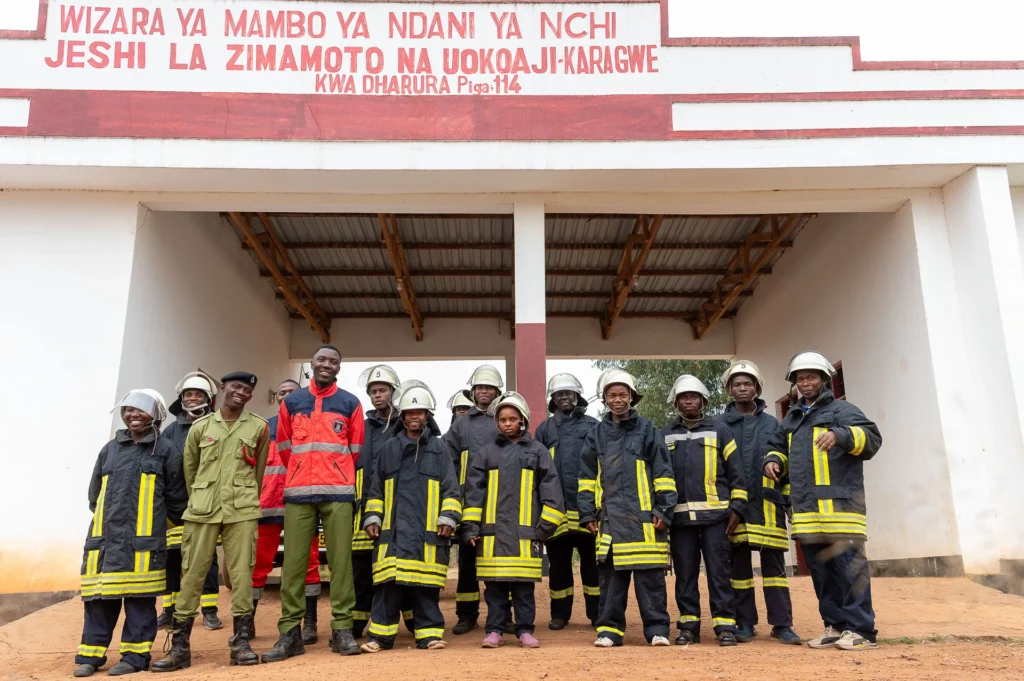
Unser Team für Karagwe
Unser ehrenamtliches Team für Nakuru County.